US Fed raises interest rates for the first time since 2023, defying Trump's demands
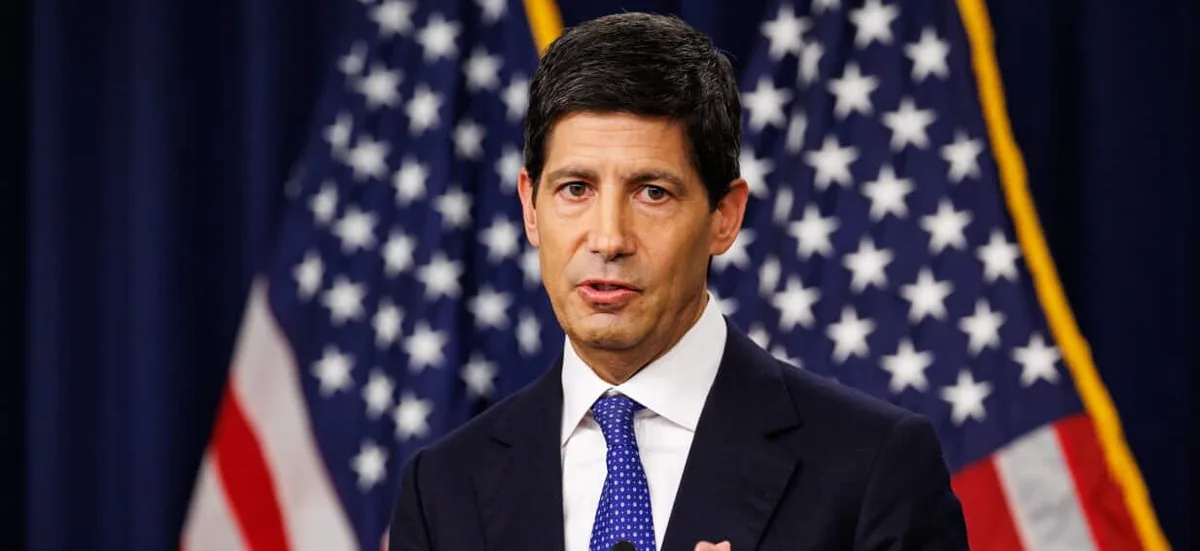
The US Federal Reserve on Thursday AEST raised interest rates for the first time since 2023, defying President Donald Trump's demand for cuts, as central bank chief Kevin Warsh stressed the need to combat inflation that has been "too high" for "too long".
The Fed voted unanimously to raise rates by 0.25 percentage points, saying the rate hike would support a "timelier return" to its two-per cent target for inflation.
It's the first policy shift under the new Fed chief, who took office in late May after being selected by Trump with an expectation that he would cut rates.
"The plain fact is that inflation is too high, and has been for too long," he told a press conference.
Your trusted source for staying up-to-date with the world around you. Get free daily news updates and analysis, straight to your inbox.
And the hike may not be the last — the vast majority of Fed policymakers indicated that at least one more rate hike was likely necessary before the end of the year, according to their Summary of Economic Projections.
US households and businesses have been battered by years of higher-than-target inflation, and prices have surged in the wake of Trump's war on Iran, his signature tariff policies and the ongoing AI boom.
Trump has launched an unprecedented assault on the Fed's independence since taking office, attempting to fire a Fed governor and launching a criminal probe against Warsh's predecessor in his quest for lower rates to spur economic activity.
The president's Republican Party faces a stern test in upcoming midterm elections, with rival Democrats seeking to wrest control of both houses of Congress and economic issues front-and-centre for voters.
US stock markets largely priced in Thursday's rate hike, but they were still down on the news — expected with any rate hike as equities become less attractive.
Yields on 10-year US Treasury bonds — which have surged in recent days as uncertainty on long-term inflation has spiked — were also up past the five-per cent threshold.
Following the Fed's announcement, White House spokesperson Kush Desai said the decision was "rather unfortunate" and that Trump had been clear that he wanted lower interest rates.
Warsh was named to his position after a contentious Senate confirmation process, where Democratic lawmakers accused him of being a "sock puppet" for Trump, which he denied.
So far, Trump has supported Warsh, claiming that the Fed chair wants lower rates and accusing the board of being "political."
5News aggregated this summary from the outlet’s public feed. The full article, with all the context, is on www.sbs.com.au — the content belongs to SBS News - Latest.