Can Australia rebuild social cohesion? Inquiry hears calls for change
Experts, advocates and community leaders are calling for stronger social cohesion and action on antisemitism, telling an inquiry "we need to break the cycle".
Over four days of hearings this week, commissioner Virginia Bell heard concerns about declining satisfaction with democracy, social media polarisation, racism, self-censorship and the breakdown of relationships between religious and cultural communities.
The Royal Commission on Antisemitism and Social Cohesion also heard proposals for stronger education about Jewish Australians, better recognition of migrants’ qualifications and more effective approaches to tackling prejudice.
But the hearings also exposed difficult questions about what social cohesion should mean, including how Australia can combat discrimination without silencing debate.
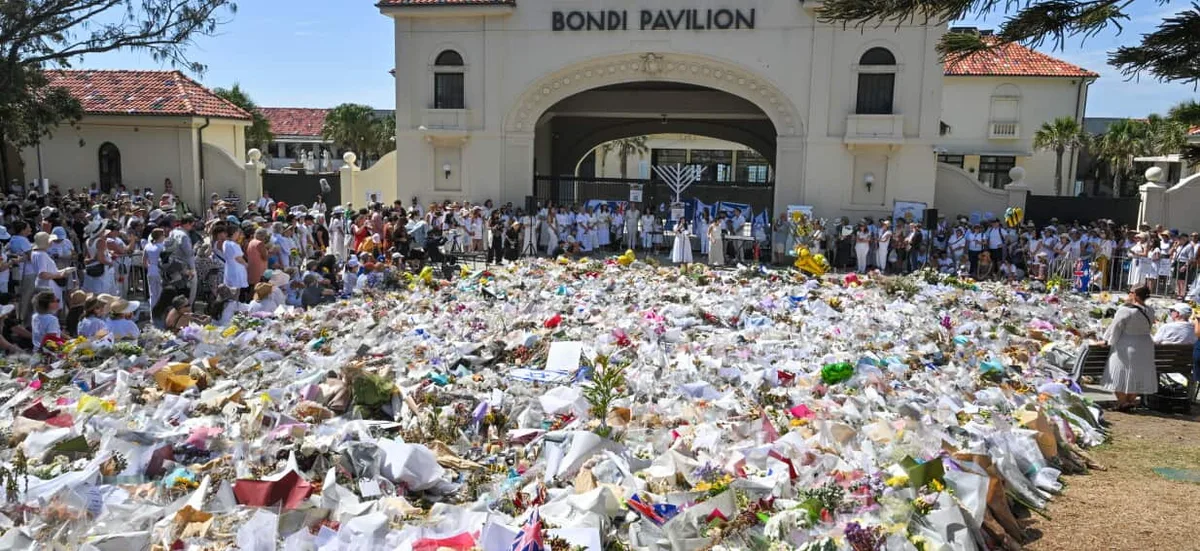
The royal commission, launched in response to the December 2025 Bondi terror attack, is in its ninth and final block of hearings, with its final report due in December.
Your trusted source for staying up-to-date with the world around you. Get free daily news updates and analysis, straight to your inbox.
Professors Nicholas Biddle and Matthew Gray, both from the Australian National University, fronted the royal commission on Monday, speaking to reporters about democratic attitudes in Australia and responses about declining satisfaction with democracy.
Their June report found that satisfaction with democracy fell to its lowest level since January 2023, while principled support for democracy increased. Professor Gray said multiple factors could be at play, including social media undermining support for democracy.
"We conclude that efforts to counter antisemitism will be limited unless they also address the platforms through which distrust, polarisation and extremist narratives circulate," Gray told the commission.
He argued targeted interventions, particularly for young Australians with low educational attainment and low levels of principled democratic support, would be more effective than universal attempts to counter antisemitism.
"Because trust in core institutions is closely associated with democratic commitment, consideration should be given to how government agencies, education systems and public communications practices could be made more transparent, accountable and credible, particularly in communities experiencing disadvantage," Gray said.
Ahmed Hegazi, a strategic adviser, and his friend Joel Lazar, the chief executive of the Jewish Climate Network, also expressed concern about polarisation and emphasised the importance of cross-cultural communication.
"Humans who know their neighbours don't feel they are threats and they don't fear them, they feel connected to them," Hegazi said. "We need to break the cycle."
"There's basically no alternative to trying new things even if they're hard … as fathers of young children, we know important things are always hard," Lazar said.
5News aggregated this summary from the outlet’s public feed. The full article, with all the context, is on www.sbs.com.au — the content belongs to SBS News - Latest.