Climate change is putting the squeeze on the world’s grapegrowers: new research
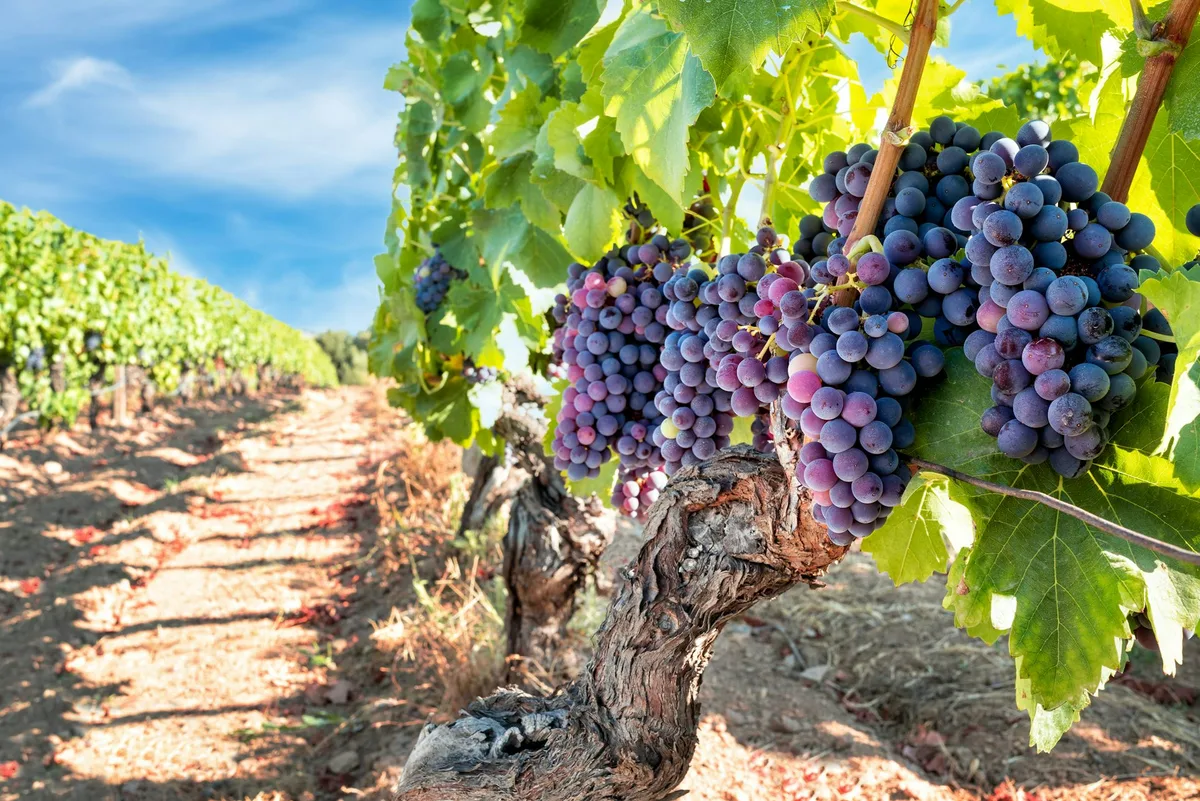
francescomoufotografo/Getty This year, the European summer has been sweltering .
It is unprecedented in many ways, marked by extreme heat, drought and record-breaking fires.
Across the continent, fires have consumed hundreds of homes and demanded the evacuation of thousands of people.
Europe’s wine regions have been particularly hard hit, including around France’s Bordeaux region.
Aside from the direct dangers of fires, exposure to smoke can give grapes a burnt or ashy flavour, and this smoke taint can discourage people from buying wine from fire-affected regions.
However, it is not only European wineries that are battling increasingly fierce fires.
Renowned wine regions across the globe are grappling with the effects of human-caused climate change.
Hotter and drier Winemakers from across Australia , California , Chile and South Africa are working in warmer, drier conditions than ever before.
That also leaves them more vulnerable to destructive fires.
In California, devastating fires in recent years have been exacerbated by a lack of atmospheric moisture , a consequence of climate change.
Similarly, in recent decades forest fires have become more frequent in Australia due to global warming.
Our new study investigated what our warming world means for five of Australia’s major wine regions: South Australia’s Barossa Valley, the Hunter Valley in New South Wales, Western Australia’s Margaret River region, the Yarra Valley in Victoria, and Tasmania’s Tamar Valley.
We analysed rainfall and temperature observations from these regions, dating back to 1940.
Our results show that human-induced climate change has already altered conditions in Australia’s wine regions.
5News aggregated this summary from the outlet’s public feed. The full article, with all the context, is on theconversation.com — the content belongs to The Conversation Australia.