It’s getting easier to live off-grid – but it comes with certain costs
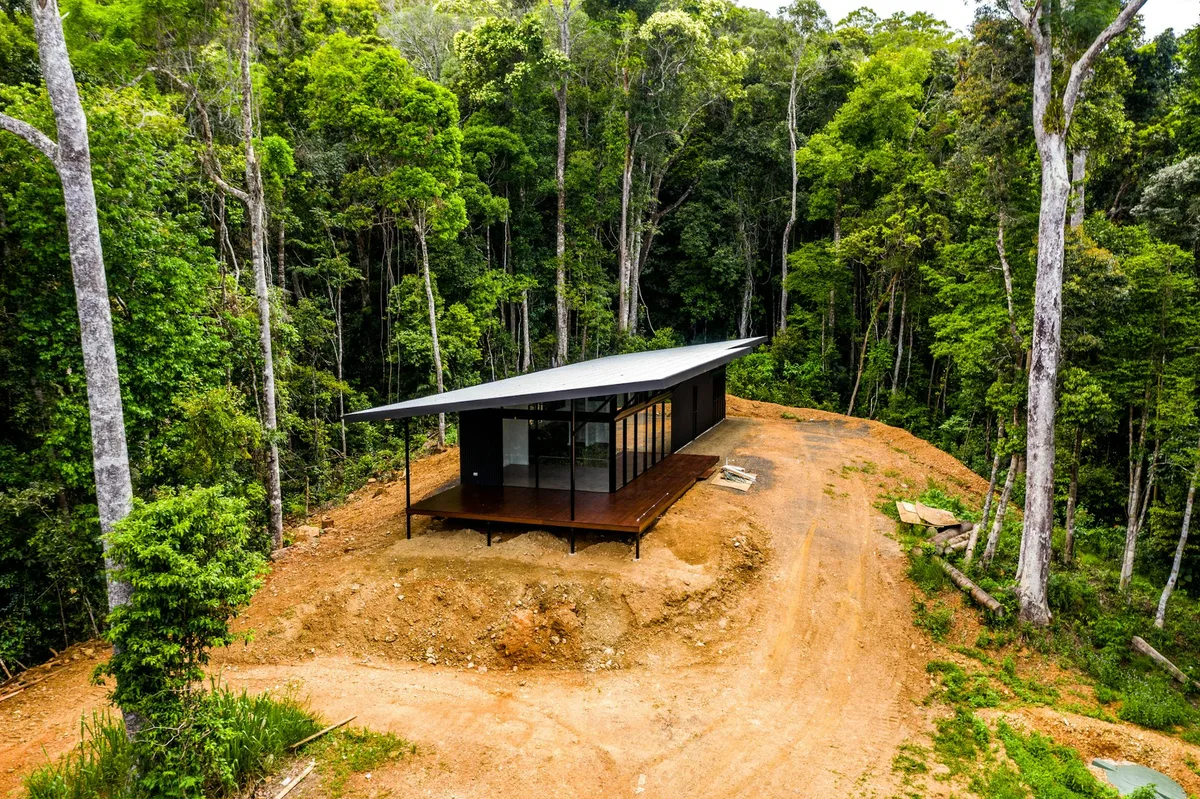
Tom Watson/Getty For most of Australian history, “ going off-grid ” meant living somewhere the main electricity network did not reach.
Isolated communities and remote farming properties have long relied on stand-alone power systems .
These typically consist of solar panels, batteries and a diesel generator, with no physical connection to the national grid.
In these places, off-grid power is often the most practical option .
Maintaining kilometres of poles and wires for a handful of customers can cost more than individually supplying each property.
A growing number of people are considering off-grid living in rural and remote areas.
These households tend to be owner-occupiers with extra funds, suitable roofs or land and an interest in reducing emissions or becoming self-sufficient .
Nevertheless, few people are choosing to completely disconnect from the grid, mainly because of upfront costs.
And renters and lower-income households who aim to do so face many more hurdles .
Renewables gaining traction A growing number of Australians are turning to renewable energy systems.
Across the country, we have installed upwards of 4.2 million rooftop solar systems.
Batteries are not far behind, with more than 460,000 installations between July 2025 and early June 2026 alone.
Several factors have made this possible.
For starters, renewable energy technology has become cheaper.
5News aggregated this summary from the outlet’s public feed. The full article, with all the context, is on theconversation.com — the content belongs to The Conversation Australia.