Invasive species do much more damage in Australia and NZ than elsewhere. But why?
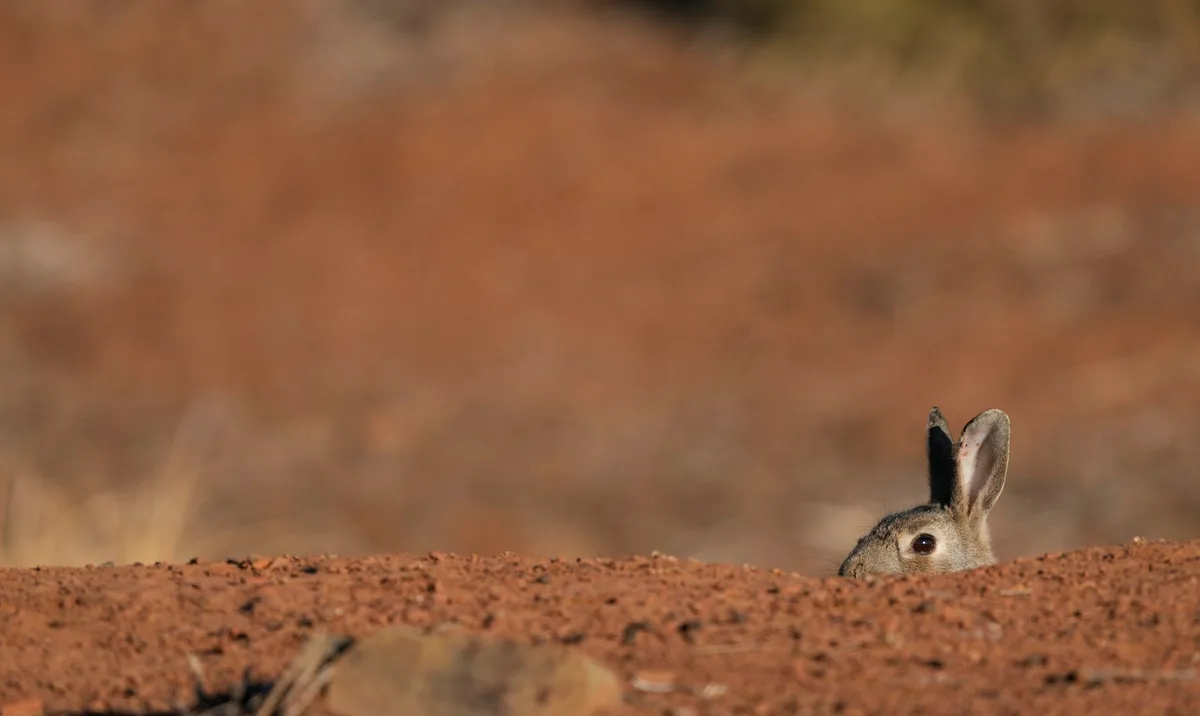
Michael Lee/SA Museum , CC BY-NC If you had to pick the countries where invasive species pose the biggest problems, you probably wouldn’t think of Australia.
The continent has some of the world’s strictest biosecurity , a small human population and a comparatively short period of colonial occupation.
It is also girt by sea.
All of this should make introduced species less of an issue.
But Australia is one of the top three nations affected by feral species, after the United States and New Zealand.
More than 4,000 species have been introduced at last count .
Of these, 3,000 are sufficiently out of control to be considered invasive .
The damage they do to crops, infrastructure and nature now costs around 1.25% of GDP – almost as much as Australia spends on aged care .
So why are determined efforts and natural advantages often unable to stem Australia’s feral tide? Important answers come from island biogeography , a field of study pioneered by Alfred Russell Wallace.
He is the scientist who discovered evolution through natural selection, independently from Charles Darwin but at the same time.
Islands are rather isolated environments, which means unique species are more likely to evolve.
But isolation also means their inhabitants are particularly vulnerable to invasive species.
Known as the island continent , Australia demonstrates this on a huge scale.
Australia has a high number of species found nowhere else, and is one of only 17 megadiverse nations .
5News aggregated this summary from the outlet’s public feed. The full article, with all the context, is on theconversation.com — the content belongs to The Conversation Australia.