NSW Hillgrove roars to life as Larvotto joins antimony producer ranks
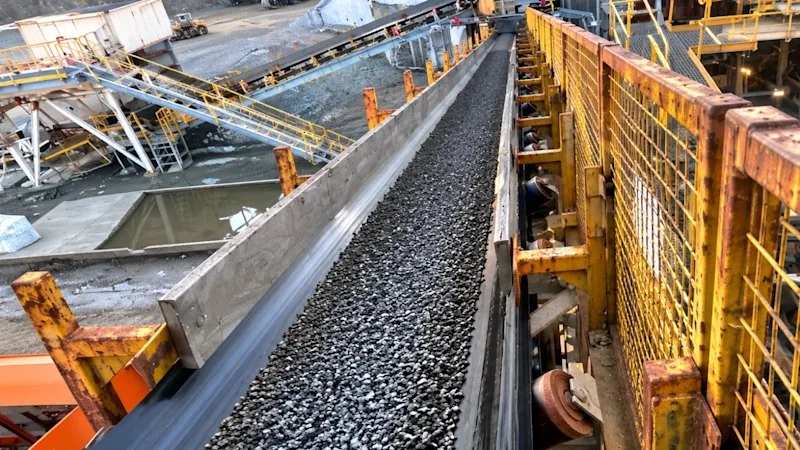
In a lightning-fast transformation, Larvotto Resources has crossed the development finish line and joined the producer ranks, firing up gold and antimony production at its 100 per cent-owned Hillgrove mine in New South Wales.
The milestone anoints the company as Australia’s second – and by far its largest – antimony producer, with Hillgrove expected to supply seven per cent of global demand and more than half of supply outside China-controlled sources.
With the processing plant now fully up and running, the operation is forecast to produce 4900 tonnes of antimony and 40,500 ounces of gold annually over an initial eight-year mine life. Adding to its credentials, routes to market are already established, with a seven-year Glencore gold concentrate offtake expected to cover 15,000 dry metric tonnes annually, alongside an antimony concentrate arrangement with Wogen Resources.
The story behind Larvotto’s remarkable rise is almost as compelling as the mine itself. It was only in mid-2023 that management first knocked on the administrators’ door for the dormant Hillgrove operation. With no rival bidders stepping up to the plate, the company swooped with an opportunistic $8 million offer – including a $5 million environmental bond – and walked away with what would prove to be a brownfields bargain.
Less than three years later, the mothballed operation has been transformed into a producing gold-antimony mine and the market has come along for the ride. Larvotto shares have blasted from just 9.5 cents to a high of $1.67. Even at the current $1.14, the company boasts a thumping $587 million market capitalisation – a spectacular re-rating from a deal struck for relative pocket change.
The project came with a sizeable inheritance, giving Larvotto a head start most mine developers could only dream of – underground workings, a processing plant, grid power and water systems, after previous operators sunk more than $150M into infrastructure.
The company completed a prefeasibility study in August 2024 and a definitive feasibility study in May 2025, prior to funding, underground development, plant refurbishment, and staged commissioning.
5News aggregated this summary from the outlet’s public feed. The full article, with all the context, is on www.smh.com.au — the content belongs to Sydney Morning Herald - Home.