Introduced species aren’t good or bad. But when they slip from our control, we are quick to condemn them
JohnCarnemolla/Getty In George Orwell’s 1945 allegorical novella Animal Farm , pigs coach the other revolutionary farm animals in their new creed of Animalism using the memorable maxim: four legs good, two legs bad.
In Australia, there’s a parallel mantra: native animals good, introduced animals bad.
Australians learn from an early age to distinguish between these groups.
A sighting of a koala or kangaroo is good and natural, but seeing rabbits amid eucalypts or flocks of starlings in the sky is bad and wrong.
As an environmental historian, I’m interested in how we come to make these decisions, and the impact they have.
Every Australian knows common myna birds are bad, rabbits are worse and feral cats kill native animals unchecked.
But how do we decide what makes an introduced species “good” or “bad” – and will we ever concede that some species are here to stay? Our new series on invasive species explores these questions.
How do we decide? In our official and unofficial categorisations, some introduced animals are denigrated further as “invasives” – species labelled pests that threaten some native animals and more favoured introduced species.
If these invasive species were once domesticated, they are deemed “feral” or “wild”.
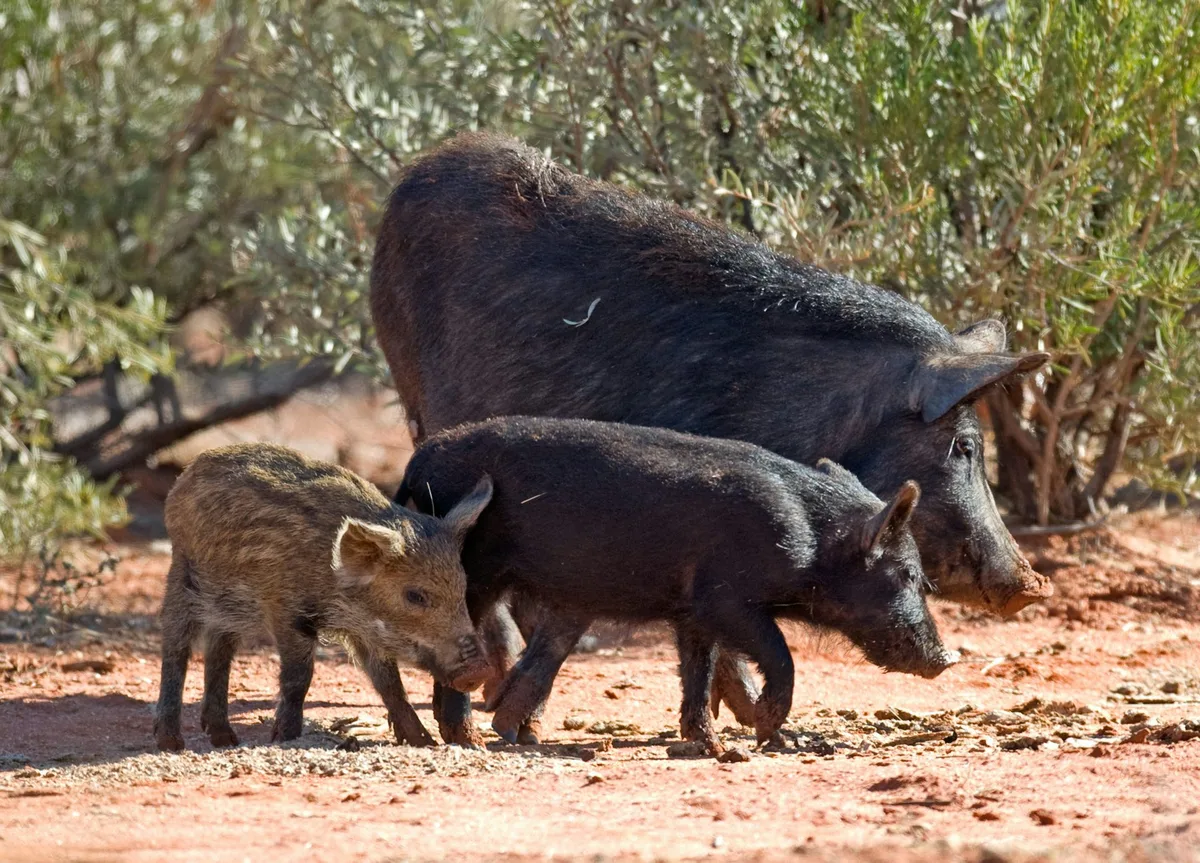
The ecologists of Australia’s Threatened Species Recovery Hub consider the worst invasive animal species to be European rabbits and foxes, black rats, feral pigs, cats, goats and cattle, while the federal Department of Agriculture, Fisheries and Forestry adds feral deer and wild dogs to this list.
Other authorities include camels .
Except for stowaway rats, all of these animals were deliberately introduced to Australia by settler colonists.
Breeding populations were kept alive during perilous sea voyages and cared for while they adapted.
Each species established itself on the new continent as planned.
5News aggregated this summary from the outlet’s public feed. The full article, with all the context, is on theconversation.com — the content belongs to The Conversation Australia.