The International Olympic Committee wants mental health screening in elite sports. Here’s why
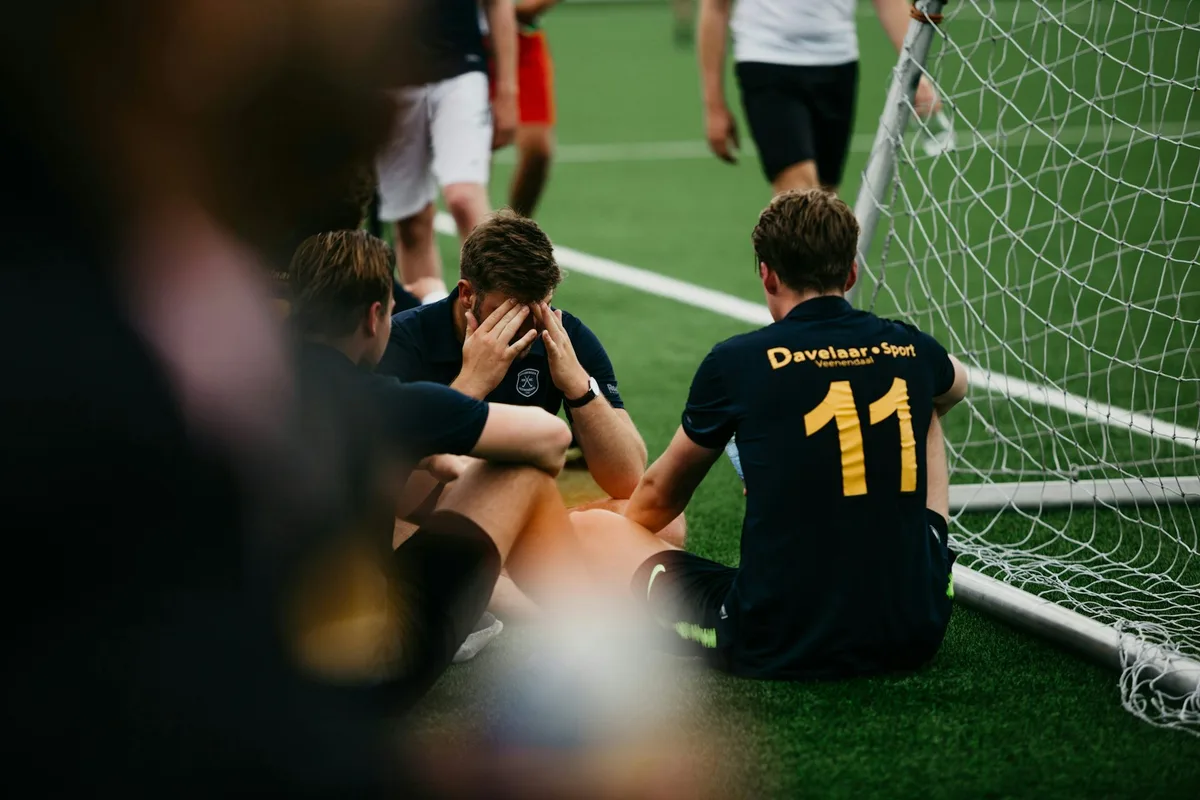
Joppe Spaa/Unsplash Elite athletes are exposed to a range of sport-specific factors that can heighten their vulnerability to mental ill-health .
These include injury, overtraining, burnout, performance-related pressures, intense public scrutiny and social media abuse .
Despite these risks, athletes are often perceived as models of psychological resilience, able to withstand the inherent tension of competing at the highest levels.
The mythology of the “mentally tough” or bullet-proof athlete often obscures the reality of elite sport’s mental toll.
This is why the International Olympic Committee (IOC) is encouraging elite level sports around the world to develop stronger mental health protocols for athletes.
The IOC targets early intervention I was one of a global network of academics who helped develop the IOC’s recently updated expert consensus statement on mental health in elite sport.
With an emphasis on better early intervention, a key element is mental health screening.
This is where athletes complete brief, structured questions to identify possible signs of mental health difficulties that may warrant further assessment.
Mental health screening in elite sport has several aims .
The primary purpose is to detect risks for mental ill-health as early as possible so effective support or treatment can be provided in a timely way.
When used alongside routine physical health checks, it can help normalise mental health as a legitimate performance and health concern within elite sport, which might also improve help-seeking when needed.
Many athletes struggle to speak up or ask for help.
For some, it may take a crisis to receive the mental health support they need.
Since pre-competition stress is common , along with fluctuating emotional states during a season, screening can also help differentiate sport-related distress from more specific mental health symptoms such as depression, anxiety, substance misuse or an eating disorder.
5News aggregated this summary from the outlet’s public feed. The full article, with all the context, is on theconversation.com — the content belongs to The Conversation Australia.