Worried about your car being hacked? You should be – no matter where it was made
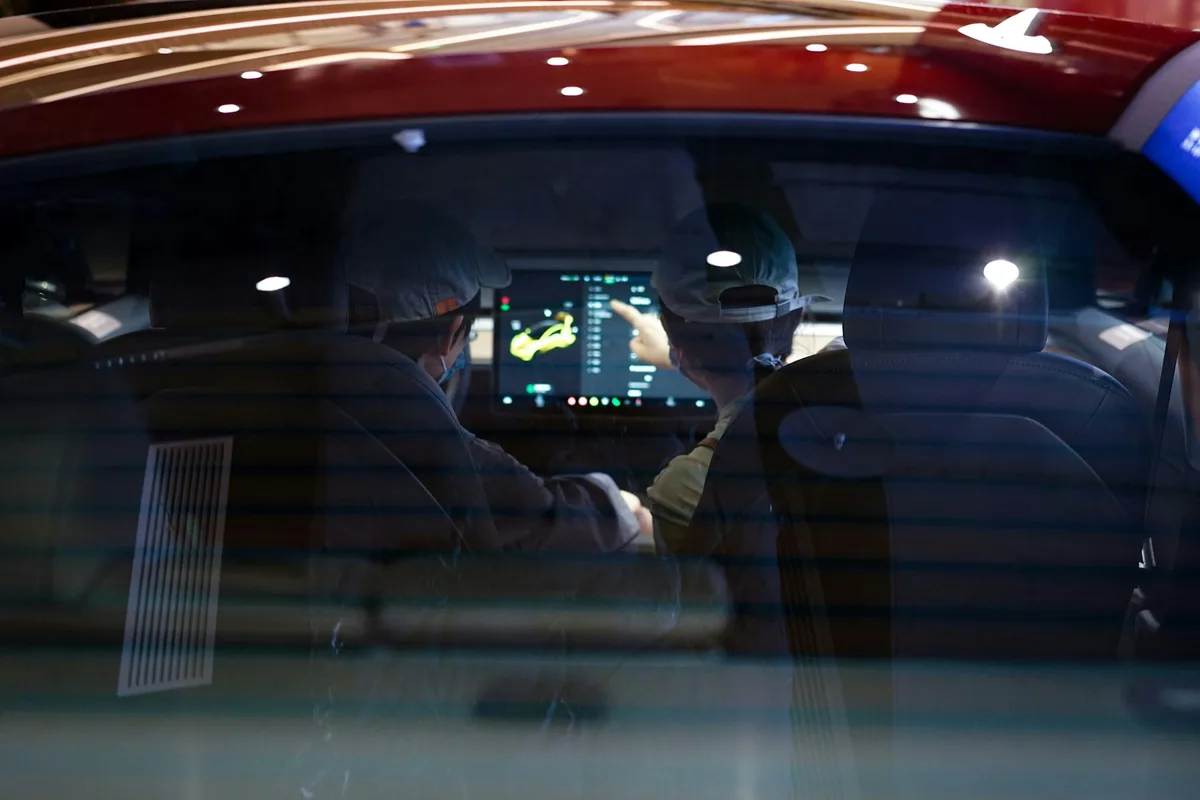
un LIU / Unsplash Earlier this week, the ABC reported a cybersecurity expert hacking a BYD Shark 6 hybrid ute.
The expert gained control of the Chinese-made vehicle’s locks, headlights, and audio and video, saying the task “was easier than we were expecting”.
The ABC also reported concerns that cars made by BYD and other Chinese companies may share data – including audio, video and location information – with the Chinese government.
Most modern cars, whether electric, fossil-fuelled or hybrid, collect a lot of personal information .
Many transmit that information to offshore servers for storage and processing, where it may be accessible to foreign governments , including China.
However, it’s not just foreign governments that have access to that data.
Hackers may able to access it, too – and it’s a concern for all connected vehicles, no matter where they’re made.
A network of computers – on wheels Our main mode of transport has evolved from a largely analogue machine into a distributed network of computers on wheels.
The car’s own network is connected to another network of computers outside the vehicle.
Like other computer systems, modern cars are vulnerable to hacking and malware.
A modern car contains dozens of computers responsible for different functions.
Some manage entertainment and communications, while others control braking, steering, engine performance, sensors and driver-assistance systems.
These systems communicate with one another.
Separate systems connect the vehicle to mobile networks, cloud services and the manufacturer’s online infrastructure.
5News aggregated this summary from the outlet’s public feed. The full article, with all the context, is on theconversation.com — the content belongs to The Conversation Australia.