How lessons from fisheries management could help us govern Earth’s orbital space
The space industry is rapidly expanding.
About 20,000 satellites already circle the Earth, a number that could reach 100,000 by 2030 .
They bring growing environmental costs: space debris , collision risks , atmospheric pollution from launches and re-entry and interference with astronomical observations .
The problem requires international action .
Like the oceans, Earth’s orbital environment is a shared space that remains weakly governed by international laws , registries , guidelines and voluntary co-operation .
Corporations and nations are launching and operating satellites for their own gain, while the environmental costs are borne by all of us.
Read more: As corporations race for the stars, we need international collaboration on space governance How can we effectively regulate Earth’s orbital space? The way shared fish stocks are managed by regional fisheries management organizations could offer some useful lessons.
Most regional fisheries management organizations were created for fish stocks in the high seas , beyond the jurisdiction of national states.
They are far from perfect, with a history that includes overfishing, disputes over quotas, weak compliance and the entrenchment of powerful fishing interests .
Yet they provide an important lesson: environmental sustainability requires collective management of access to a shared resource.
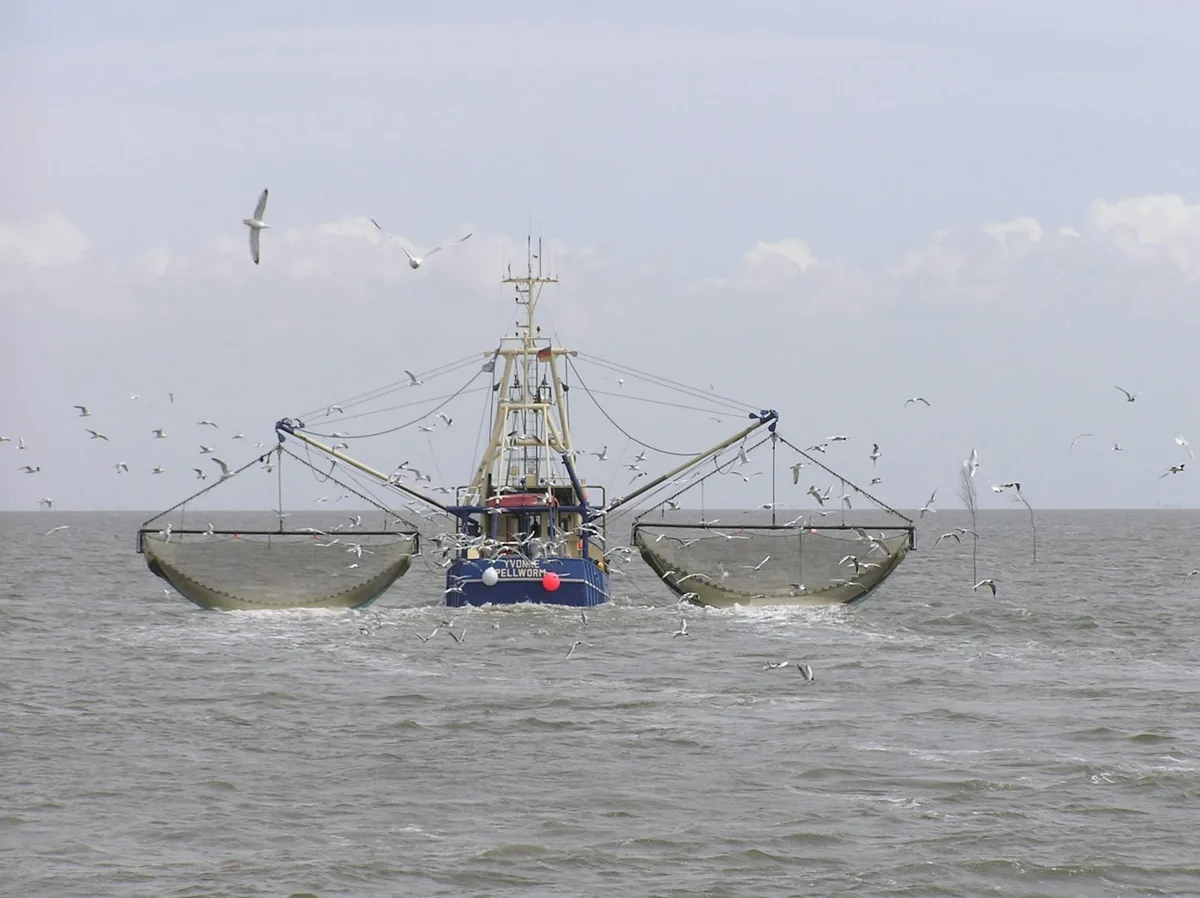
A crab boat working the North Sea. (Joachim Müllerchen) , CC BY-SA Counting activities is not enough The analogy may be puzzling: fish are renewable biological resources; satellites are depletable mechanical objects.
Yet the governance of the high seas and orbital space share similarities.
Fishing vessels generate pressure on fish stocks.
Satellites generate pressure on the orbital environment.
5News aggregated this summary from the outlet’s public feed. The full article, with all the context, is on theconversation.com — the content belongs to The Conversation Canada.