What we know about how the Canada-U.S. trade talks fell apart
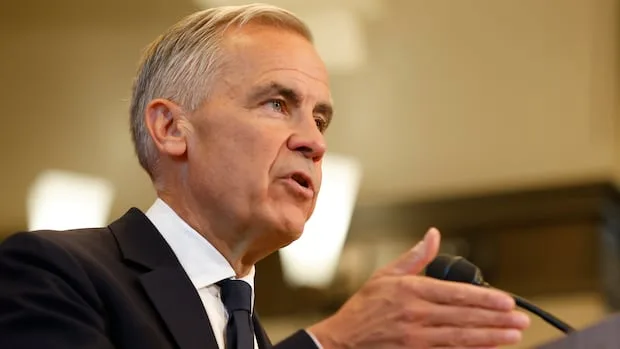
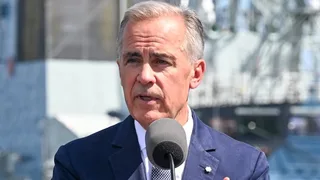
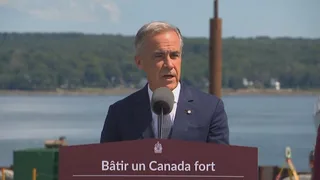
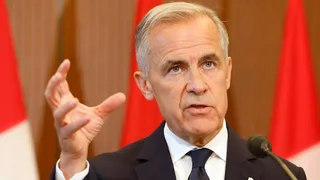
Prime Minister Mark Carney said one of the main reasons he walked away from a deal with the Trump administration is because Washington demanded terms that would "destroy" big Canadian industries including the auto, steel and aluminum sectors.
He made the comment while facing calls from the Conservatives to reveal the details of the proposed deal that fell apart late Friday night.
"We did make some progress in recent weeks," Carney said on Monday in Lévis, Que. "In the end, that momentum reversed and we could not accept what the U.S. had offered, nor could we give what they asked."
U.S. Vice-President JD Vance offered a different version of events, accusing Canada of putting forward "a bunch of unreasonable last-minute demands" and urging Carney to "stop taking advantage of America."
Federal government will announce counter-measures, new supports tomorrow amid trade breakdown
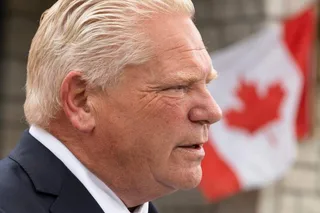
While the federal government won't publicly reveal the details of the negotiations, Ontario Premier Doug Ford, who has been briefed on the talks, called it a "bad deal" and said he's glad Carney didn't sign.
Flavio Volpe, a member of Canada's advisory committee on this file and president of the Automotive Parts Manufacturers' Association, said after negotiators agreed in spirit to a potential deal, it was up to dozens of Canadian and American officials to write up the exact wording of an agreement.
When that "text started to crystalize," Volpe said, it didn't match what was discussed.
CBC News has reported that before the deal's deadline, one of Trump's top deputies — U.S. Commerce Secretary Howard Lutnick — expressed dissatisfaction with what had been negotiated and pushed for the U.S. to do better.
Volpe said Lutnick has taken a hard line when it comes to Trump's objective to drain Canada of its vehicle production.
American negotiators had initially agreed to drop the headline tariff on Canadian autos from 25 to 15 per cent, Volpe said. A source said American auto content would be exempt, reducing that tariff rate by up to half. (The sector had also been pushing for an exemption for Canadian-made auto content, which the U.S. didn't agree to, a source said.)
Then right before the deadline, the U.S. revealed it planned to exclude medium- and heavy-duty trucks. That move left out North America's most lucrative vehicles: pickup trucks.
Ford's F-Series pickups and the General Motors Silverado are made at Ontario plants and roughly 20,000 workers would have been severely impacted, Volpe said.
"The tariff was going to be so high in those places to not make that product viable," Volpe told CBC's The Current on Monday.
5News aggregated this summary from the outlet’s public feed. The full article, with all the context, is on www.cbc.ca — the content belongs to CBC Politics.