Bear River, N.S. residents raise concerns over planned aerial glyphosate spraying
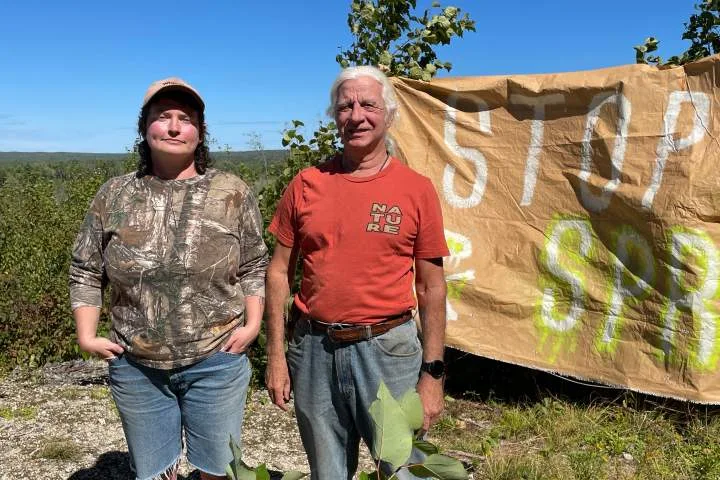
Residents of a small Nova Scotia community are sounding the alarm over planned aerial glyphosate spraying and alleging that regulations weren’t followed when it came to notifying people about the planned pesticide use.
Lenny Hornung is among the concerned residents of Bear River, N.S. who are trying to halt the province’s plans.
He says not enough notice was given, and points out he only learned about it after a neighbour went to pick berries and saw a sign announcing that spraying was planned in the area.
“If she hadn’t gone to pick berries there, we would never have known that (sign) was there,” he said.
The signs indicate spraying has been approved in the area, which is located in Annapolis and Digby counties, from Sept. 16 to 30.
According to documents shared with Global News by residents, a numbered company was approved for spraying along the Thomas, Guinea, and Victory roads on Aug. 19. Community members have filed a complaint with the province alleging violations of the mandatory 30-day notice requirement in Nova Scotia’s Pesticide Regulations.
They’re asking for the spraying to be put on pause until the investigation is concluded.
“The signs themselves are barely visible and then that warning is minuscule on the signs. So government and industry are not doing a good enough job warning the public of the dangers and keeping people safe,” said resident Robin Sturley.
Glyphosate is typically used in forestry to suppress vegetation that competes with commercially valuable trees.
However, there have been longstanding concerns about its health risks, which have prompted court cases and lawsuits .
There are also questions about how its use could affect wildfire risk.
In 2017, Health Canada re-approved glyphosate for sale in Canada until April 27, 2032, with the caveat that producers needed to have more details on labels.
The Assembly of Mi’kmaw Chiefs is also calling for a stop to spraying in the Bear River area — highlighting the significance of the area to the Bear River First Nation.
“This spraying threatens our ability to safely access and harvest the foods and medicines, and other resources that sustain us,” said Chief Carol Potter in a statement.
5News aggregated this summary from the outlet’s public feed. The full article, with all the context, is on globalnews.ca — the content belongs to Global News Canada.