Overstretched youth mental health providers in Ontario brace for return to school
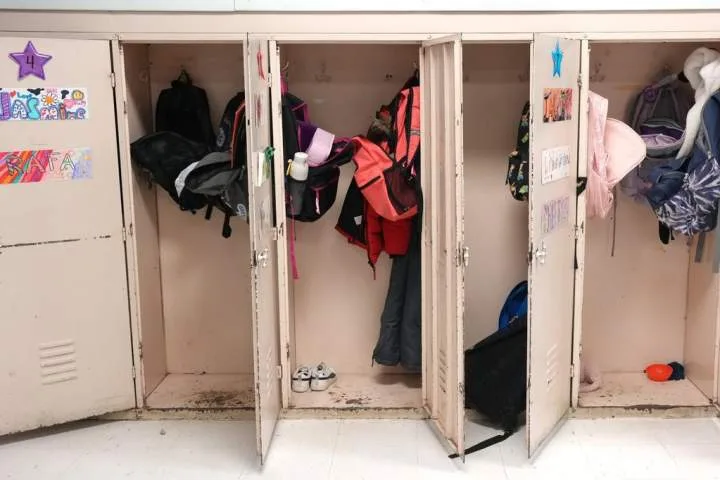
While some students are eager to return to class after a summer of freedom, others face a torrent of anxiety.
Whether it’s struggles in the classroom or trouble navigating social relationships, the pressures of school can be most keenly felt in September. And while experts say that has always been a time when worries increase, they note the trend has been growing in recent years.
They say that increased time spent online, along with economic and social pressures, is exacerbating mental health concerns for young people. And as the system struggles to keep up with more and more calls for help, youth mental health providers in Ontario are bracing for September’s typical spike in volume.
“We are in an era where children have more demands on them than ever before with less resources,” said Dr. Katherine Matheson, a children and adolescent psychiatrist at the Children’s Hospital of Eastern Ontario.
Matheson said children are spending less and less time playing freely and going outside, and the effects of social media on mental health “cannot be underestimated.”
The result: The number of children, youth and families seeking mental health support peaks during the school year, according to 1Call1Click, which co-ordinates those services in eastern Ontario.
Demand has risen by 69 per cent over four years and is projected to climb higher this year, according to the group. The number of children under the age of six seeking help doubled to more than 1,000 last year from 502 in 2024, its data shows.
And demand for mental health services tends to increase when school resumes, Matheson said. One reason is that some vulnerabilities are more likely to be picked up on by teachers and other education workers, she said.
Summer can mask various issues for youth, and parents don’t always have the specialized knowledge to recognize symptoms on their own. For example, a child with ADHD may function better when they can pursue their interests with no deadline pressures and fewer expectations, she explained.
“September doesn’t necessarily create the problem — it reveals the problem,” she said. “Early intervention can actually shift trajectories and long-term mental health outcomes.”
But as more families seek help, funding for the mental health system in Ontario has not kept up, Matheson said, and services are already overwhelmed when demand climbs in September.
But she said the solution is not necessarily to add more capacity to crisis services.
If children and families had better access to help from schools, communities and primary care providers, their problems could be addressed before they become “more severe,” Matheson said.
Dr. Ripudaman Minhas, a developmental pediatrician at St. Michael’s Hospital in Toronto, said he sees demand climb about a month into the school year, when students are settled in and issues become obvious.
5News aggregated this summary from the outlet’s public feed. The full article, with all the context, is on globalnews.ca — the content belongs to Global News Canada.