U.S. Supreme Court clears way for Trump mail voting limits as midterms near
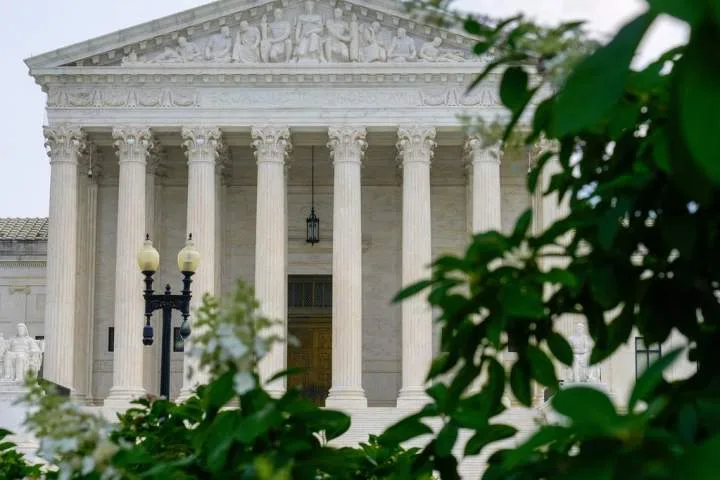
The U.S. Supreme Court on Monday cleared the way for President Donald Trump to move ahead with his executive order restricting mail-in voting , though it remains unclear how much his administration can implement before the fast-approaching midterm elections.
The decision appears to leave room for additional court challenges that could further slow Trump’s order. The U.S. Postal Service laid out how it would implement the order last week, but time is running short to impose major changes with some states beginning to send mail ballots to voters in just a few weeks.
Mail balloting has long been a favorite target for Trump, who has claimed that it breeds fraud despite strong evidence to the contrary and his own use of the voting method.
The case could be one of multiple voting-related challenges before the justices. The Justice Department had filed an emergency appeal asking the high court to allow work on implementing the changes before the midterms.
Trump’s executive order, signed in March, calls on his administration to create lists of eligible voters and orders the U.S. Postal Service to deliver mail ballots only to people on those lists.
Democratic officials in 23 states and the District of Columbia sued to block the order. They argued that the Constitution gives states and Congress the power to run elections, and Trump’s changes could lead to chaos and partisan abuse.
“The consequences of allowing such transformative changes to take effect so close to this fall’s elections would be extreme,” attorneys for the states wrote. Dozens of state and local election officials weighed in, asking the justices to leave the order frozen while election preparations are already underway.
A judge in Massachusetts blocked the plan for the midterm elections in those states. An appeals court upheld her decision. She later granted a second order blocking it nationwide.
The Trump administration appealed to the Supreme Court on procedural grounds in late July, arguing that the states sued too soon. They also pointed to another ruling out of Washington, where a judge allowed Trump’s order to proceed. An appeals court backed that decision, while still leaving room for future court action if the changes are implemented.
Federal attorneys argued that the Massachusetts order “blocks the government’s ability to finalize and implement the President’s proposed policies to promote election integrity for the upcoming federal elections in November.”
A dozen Republican-leaning states supported the federal government in their own appeal before the high court, saying states would have input on the final voter lists.
The Supreme Court has previously ruled against Trump-backed arguments on mail-in ballots, finding in June that states can count ballots that arrive after Election Day. That case was decided after full briefing and arguments, rather than on the court’s emergency docket.
Trump has blamed mail voting — without credible evidence — for his loss to Democrat Joe Biden in 2020. He has promoted the proposed changes in his executive order as safeguards to keep non-U.S.
5News aggregated this summary from the outlet’s public feed. The full article, with all the context, is on globalnews.ca — the content belongs to Global News.