Data centres and democratic decline could lead to more water conflict in the future
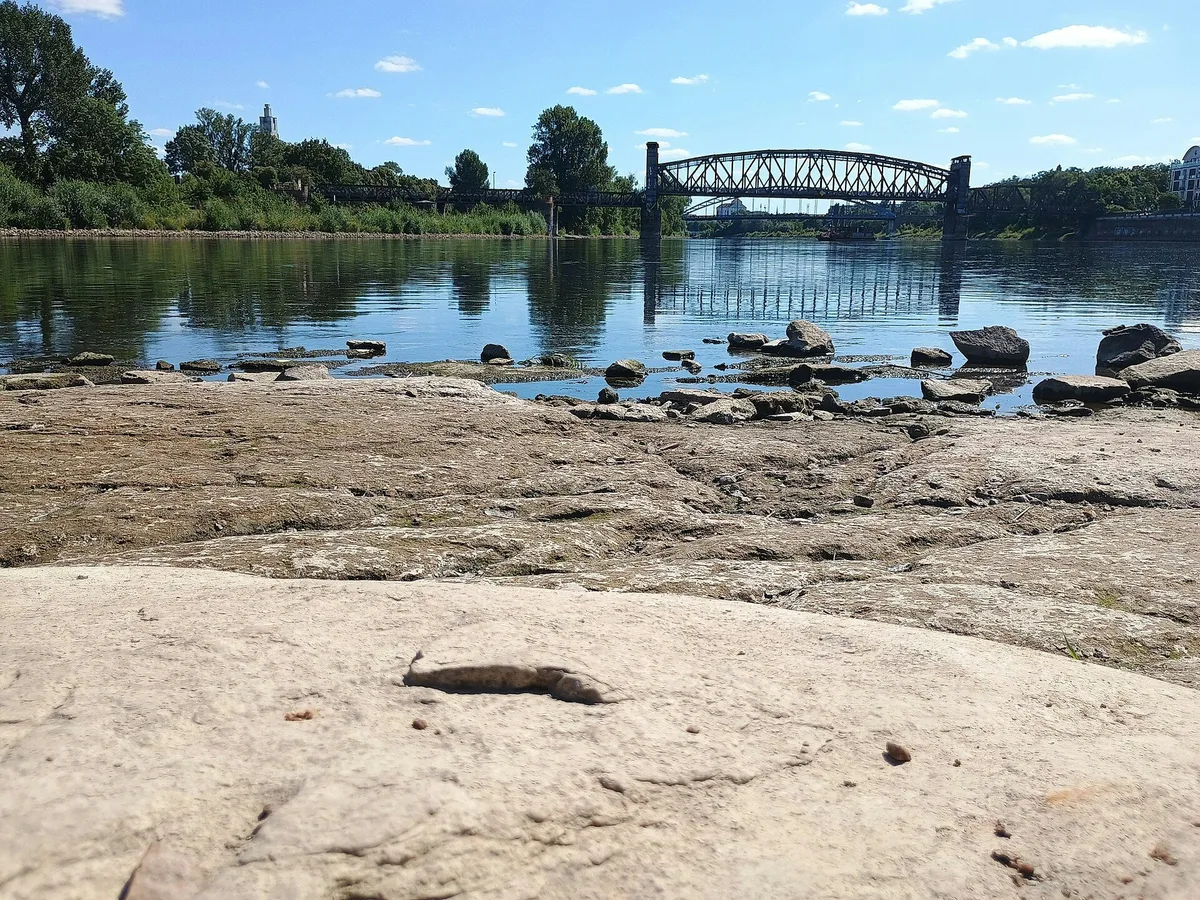
The Elbe River in Magdeburg, Germany, on Aug.
8, 2026.
The river, which flows through the Czech Republic and Germany, saw record-low water levels amid intense droughts and heatwaves across Europe. (Roy Zuo/Wikimedia Commons) , CC BY-SA Transboundary waters — rivers, lakes and aquifers residing in more than one country — are facing challenges due to climate change, with conflicts over these waters increasing.
Existing analyses of water conflict usually focus on basins in Africa and Asia, rather than those in North America and Europe, which have typically been more co-operative.
But that could be changing.
Analysis from the Intergovernmental Panel on Climate Change shows that climate change’s most pressing impacts in the coming decades will be on water resources, with implications for governance.
This isn’t just an issue for rivers like the Nile: these impacts are happening everywhere, including North America.
Read more: The imperialist past that started dam politics between Egypt, Sudan and Ethiopia Current analyses of water conflict do not properly consider the 21st-century landscape.
My doctoral research focuses on transboundary water governance, climate change and water conflict.
I believe there are three distinct factors that may increase the likelihood of conflict over shared waters in North America and Europe in the coming decades: an increase in generative AI-driven data centres, a decline in democratic processes and debate, and climate-related uncertainty.
Transboundary waters in the 21st century Droughts and water scarcity have long been considered factors in water conflict.
In North America, the Colorado River basin is experiencing extreme water shortages, and water demands within the Great Lakes basin are increasing .
The Danube River, spanning 10 European countries, has seen record-low water levels this summer , causing power plants to shut down due to a lack of water.
A recent United Nations report has warned that the world is in a state of “water bankruptcy,” as more than half of the planet’s large lakes have declined in storage size since the 1990s.
5News aggregated this summary from the outlet’s public feed. The full article, with all the context, is on theconversation.com — the content belongs to The Conversation Canada.