When to trust the experts? Follow these guidelines to evaluate science on any topic
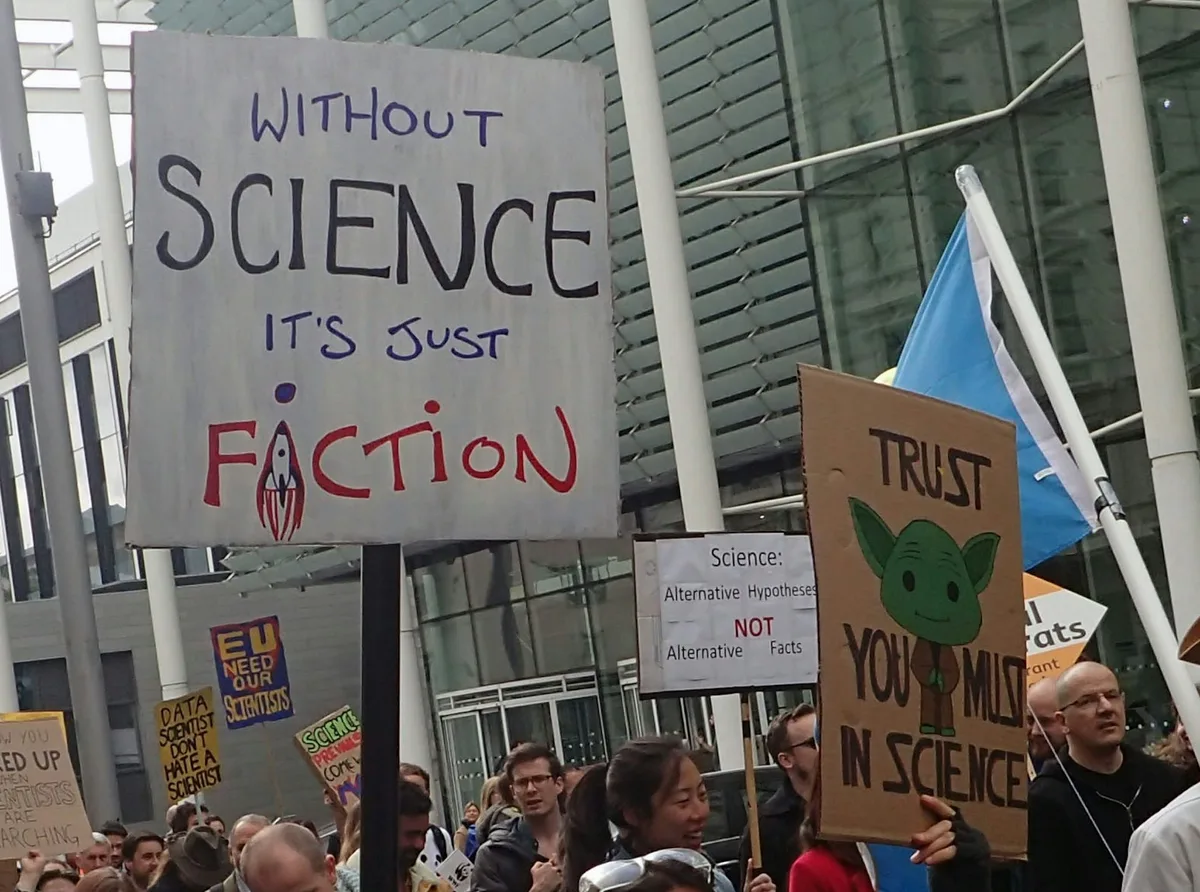
Claims about what "studies show" are often delivered with confidence, whether they are based on early-stage research or many years of study across populations and contexts. (Wikimedia Commons/Gwydion M.
Williams) , CC BY When should we trust the evidence and the experts who interpret it for us? A new study makes headlines.
It shows a diet works, a supplement sharpens memory, a teaching method transforms reading scores or a management practice improves team productivity.
So we adjust how we eat, parent or work.
We follow the science.
A few months later, another headline overturns the first.
Eggs were bad for us , then good again.
Red wine protects your heart , or does it? Dark chocolate, low-fat diets, standing desks, masks during a pandemic: Recommendations based on the science keep changing.
Eventually, people stop trusting what “studies show.” But that is how science works : Evidence accumulates; early results get tested and some hold up, others don’t.
The problem is that we report and act on evolving evidence as if it is final.
In a new article , I argue that this tendency to treat preliminary results as if they were conclusive leads to overconfident policy claims and contributes to the declining trust in science .
I offer a new framework to help policymakers classify evidence maturity.
The insights can guide all of us to interpret scientific evidence in our daily lives.
Mature evidence vs preliminary results Claims about what “studies show” are often delivered with confidence, whether they are based on weak early-stage research or confirmed through many years of study across populations and contexts, accumulating into expert guidance and systematic reviews.
5News aggregated this summary from the outlet’s public feed. The full article, with all the context, is on theconversation.com — the content belongs to The Conversation Canada.