How we found Haida Gwaii’s first marbled murrelet nest in more than 30 years
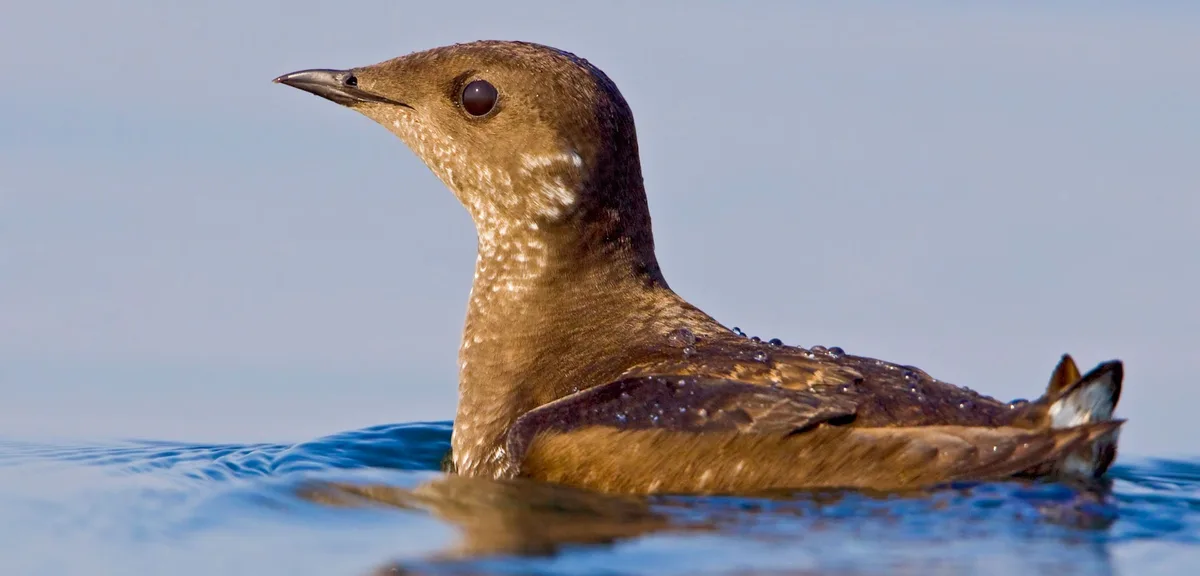
Unlike almost every other seabird, female marbled murrelets fly inland in spring, leaving the ocean behind to lay a single egg on a branch high in the forest canopy. (Joachim Bertrands) Scrambling through dense salal in the dark, weaving between the majestic western red cedars of northern Haida Gwaii , I could barely imagine where we were just days before — crossing Dixon Entrance off the coast in an open skiff, pushing head-on through ocean swells and salt spray.
These were two vastly different worlds, connected by one strange little bird: the marbled murrelet.
My PhD research aims to better understand the connections between the marine and terrestrial environments that marbled murrelets depend on.
Working in partnership with the Council of the Haida Nation and Environment and Climate Change Canada , I am combining GPS tracking, diet analysis, environmental DNA and nest searches to better understand where murrelets forage, what they eat and where they nest.
This summer, we discovered the first marbled murrelet nest recorded on Haida Gwaii in more than 30 years — the second one ever confirmed on the island.
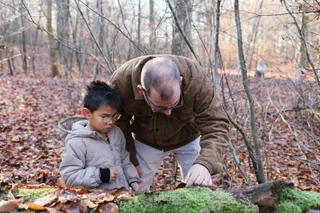
Council of the Haida Nation stewardship technician Jonas Prevost stands in the forest.
A bird that transforms About the size of a robin, the marbled murrelet seems almost ordinary at first glance.
Look a little closer, though, and you realize everything about this bird is built to disappear.
During the breeding season, its feathers become a rich forest palette of chocolate brown, cinnamon, buff and black — the marbled pattern that gives the species its name.
In winter, that same bird transforms.
Its warm brown feathers are replaced with crisp black-and-white plumage, perfectly suited to a life on the open ocean.
Bobbing among whitecaps and rolling swells, the bird becomes just another moment of light and shadow on the water.
Commuting from land to sea Unlike almost every other seabird, marbled murrelets don’t nest on cliffs or rocky islands.
Instead, each spring they leave the ocean behind and fly inland (sometimes more than 80 kilometres) to ancient forests where they each lay a single egg on broad, moss-covered branches high in the canopy .
5News aggregated this summary from the outlet’s public feed. The full article, with all the context, is on theconversation.com — the content belongs to The Conversation Canada.