How China can turn its ‘blue cradle’ into a bridge with Southeast Asia
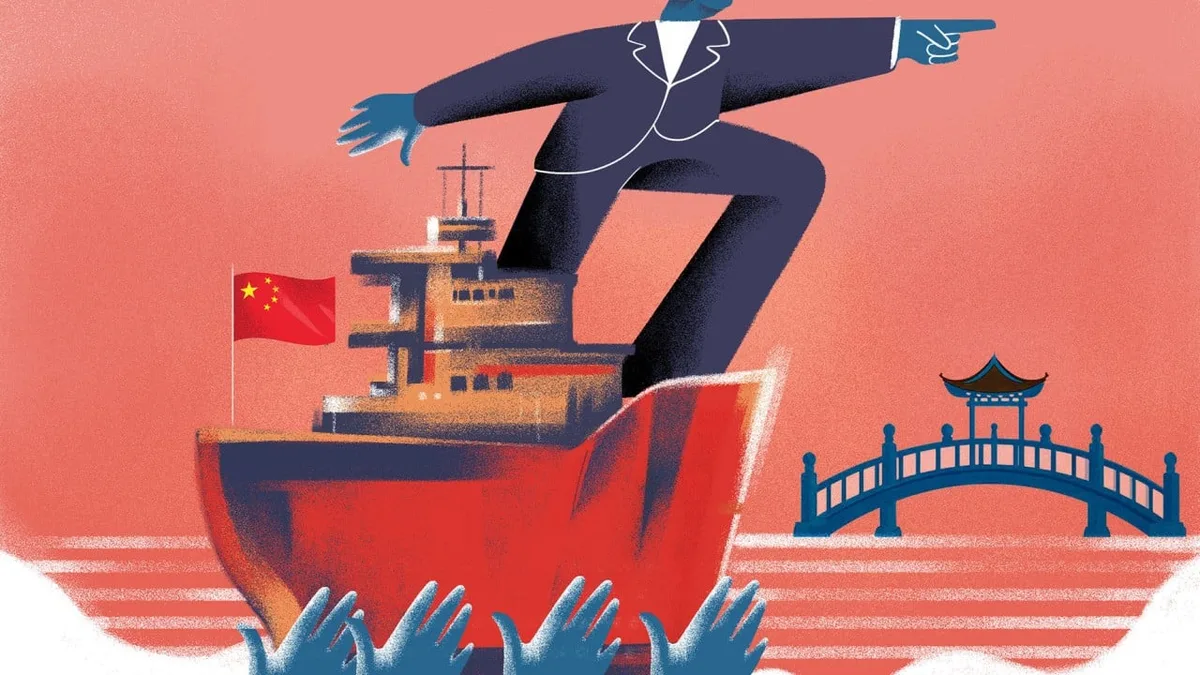
A jointly governed, tiered South China Sea ocean data framework would transform knowledge of a contested sea into stewardship of a shared one
China has spent 80 years building formidable marine science capabilities. The harder test now is whether it can build rules for ocean data that its neighbours trust – and share.
When China’s first department of oceanography was established in 1946, the country had only a modest capacity to study the seas around it. China now commands one of the world’s most extensive marine science enterprises, with research fleets, satellites, ocean-observation networks, deep-sea technology and advanced laboratories.
As Xiamen University celebrates the department’s 80th anniversary, the question is what comes next. Scientific leadership depends on two aspects: how much knowledge a nation acquires, and whether others can trust and use it.
Moreover, the agreement’s institutions will be expected to support multilateral cooperation, information exchange and capacity building for countries with very different levels of marine science expertise. Xiamen’s candidacy needs to be judged by the facilities China can offer, and the model of scientific governance it is prepared to practice. Those responsibilities extend well beyond the administration of meetings and documents.
China can use Xiamen to propose a jointly governed, tiered South China Sea ocean data framework with Southeast Asian partners, giving concrete meaning to its vision of a “maritime community with a shared future” and “blue partnerships”.
此摘要由5News从媒体的公开信息源汇聚而成。 包含完整背景的全文在www.scmp.com — 内容归South China Morning Post - China所有。