CGTN Poll: Pragmatic dialogue matters more as protectionism rises
Editor's note: Jian Junbo is director of the Center for China-Europe Relations at Fudan University.
The article reflects the author's opinions and not necessarily the views of CGTN.
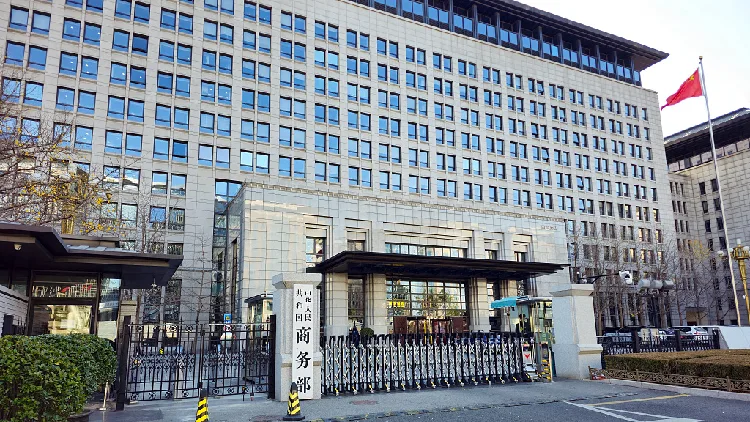
China and the European Union (EU) have agreed to maintain stable bilateral economic and trade ties and make them more balanced as they concluded the second meeting of their trade and investment consultation mechanism in Beijing.
At a time when protectionism and unilateralism are on the rise, China and the EU's readiness to consult on an equal footing and engage in pragmatic dialogue stands out as a welcome example, offering much-needed confidence and certainty to a changing world economy.
According to a joint statement released on Friday, China and the EU agreed to continue exploring the possibility of reducing tariffs on certain goods within the framework of World Trade Organization (WTO) rules, indicating the two sides' willingness to resolve trade disputes through dialogue and consultation.
China and the EU are each other's second-largest trading partners.
Data from China's General Administration of Customs (GAC) shows China-EU trade in goods exceeded $800 billion in 2025.
The economies of China and the EU are highly complementary, with deeply intertwined interests.
Decoupling and severing supply chains will do nothing but harm to China-EU economic and trade relations and the global trading order as a whole.
A global poll conducted by CGTN online shows that 82.8% of the respondents believe protectionism will not solve the industrial restructuring problems facing European countries, and that it will only worsen the international trade environment.
Meanwhile, 82.6% of the respondents believe protectionist practices will undermine the competitiveness of European businesses.
In addition, 85.9% agree that imposing tariffs on other countries will intensify trade frictions.
To be frank, the root cause of China-EU economic and trade frictions lies not in China, but in Europe's eroding economic competitiveness, driven by a cluster of structural challenges such as energy shortages, tight labor markets, lackluster innovation and a fragmented single market.
Europe should pursue domestic reforms and policy adjustments to shore up its own competitiveness.
此摘要由5News从媒体的公开信息源汇聚而成。 包含完整背景的全文在www.cgtn.com — 内容归CGTN World (oficial)所有。