Beyond tariffs: A wider agenda for China-US relations
Editor's Note: Sun Taiyi is an associate professor of political science at Christopher Newport University in the United States.
He is also the executive editor of the Global Forum of Chinese Political Scientists' main publication, Global China.
The article reflects the author's opinions and not necessarily those of CGTN.
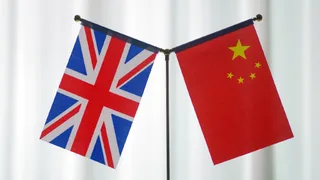
The latest China-US economic and trade consultations in New York are noteworthy not because they produced a sweeping settlement, but because they suggest that the two sides are becoming more willing to separate problems that must remain contested from areas where practical cooperation is still possible.
The timing adds to their significance.
President Xi Jinping's visit to the United States from September 23 to 25 comes just several months after President Donald Trump's visit to Beijing in May.
Such high-level exchanges create a political deadline: negotiating teams have incentives to narrow disagreements beforehand, identify deliverable outcomes, and prevent new disputes from overwhelming the summit agenda.
The New York consultations can therefore be viewed as part of a broader effort to place bilateral relations on a steadier footing.
The two sides held candid, in-depth, and constructive exchanges on economic and trade issues in New York, including implementation of previous understandings.
They also discussed artificial intelligence.
The widening agenda is significant because it shows that bilateral economic engagement is gradually moving beyond tariffs alone.
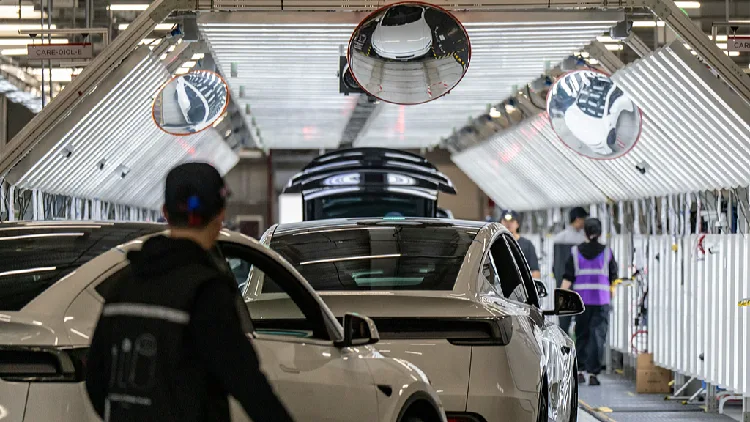
One important direction is creating more room for ordinary commerce.
China and the United States remain deeply connected economically, yet an increasing share of trade has become entangled with national-security concerns.
A more sustainable approach requires distinguishing technologies with genuine security implications from products whose trade creates little strategic risk.
此摘要由5News从媒体的公开信息源汇聚而成。 包含完整背景的全文在www.cgtn.com — 内容归CGTN Politics (oficial)所有。