RBI’s restrictions on revolving credit | Explained
Account subscription benefits alongside Premium Stories, Editorials, Opinions and more. Unlock these with Subscription
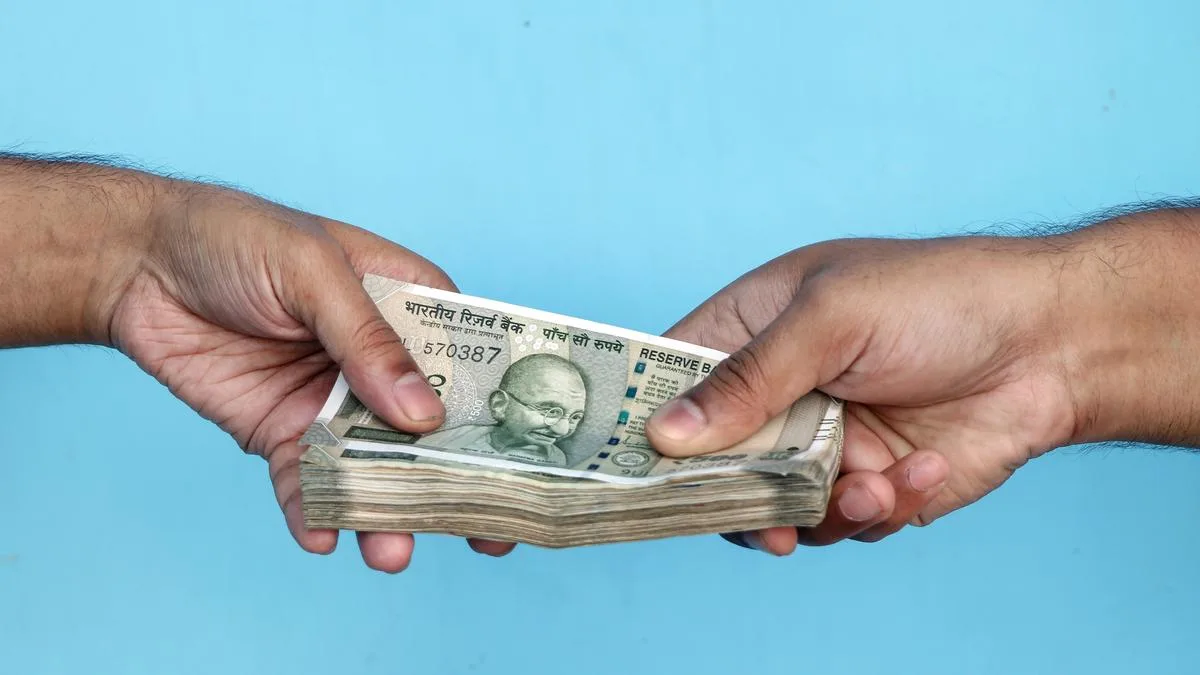
Revolving credit, one of India’s finest tools for financial inclusion, has made deep inroads in creating sustainable rural wealth. Still, rising risks of debt recycling have made the Reserve Bank of India (RBI) sceptical.
For rural India, where income is mainly seasonal and contributes 46% to 50% of gross domestic product, revolving credit became an important component and shield against financial shocks as well as informal loan sharks.
Structural rigidity in the formal credit framework led to mismatch in cash-flow needs of farmers, who incur expenses on seeds, fertilisers, labour and irrigation months ahead of income stream after harvest. Revolving credit bridges this gap by providing liquidity as required.
This led to the emergence of Kisan Credit Card (KCC), overdraft facilities, self-help group (SHG) credit lines, microfinance-linked loans and of late increasingly digital credit products (which is now a cause of concern).
The role of revolving credit extends beyond the farm sector. Rural micro-enterprises depend on flexible working capital. SHG-bank linkage programmes, supported by NABARD, have created one of the world’s largest community-based credit ecosystems. The spread of formal rural finance has risen significantly, showing a rising share of rural households accessing institutional credit channels like KCC.
A normal term loan is sanctioned once and repaid in fixed instalments, but in revolving credit, which comes with a pre-approved credit limit, borrowers can draw, repay and reuse. It is like a financial buffer, allowing households, farmers and small entrepreneurs manage short-term cash needs, emergencies, and income fluctuations without applying for a fresh loan each time.
A prominent form of revolving credit in the rural areas was the KCC scheme, introduced in 1998-99 based on the recommendations of the R.V. Gupta Committee.
5News aggregated this summary from the outlet’s public feed. The full article, with all the context, is on www.thehindu.com — the content belongs to The Hindu.