Why India could shape the next global financial order
Account subscription benefits alongside Premium Stories, Editorials, Opinions and more. Unlock these with Subscription
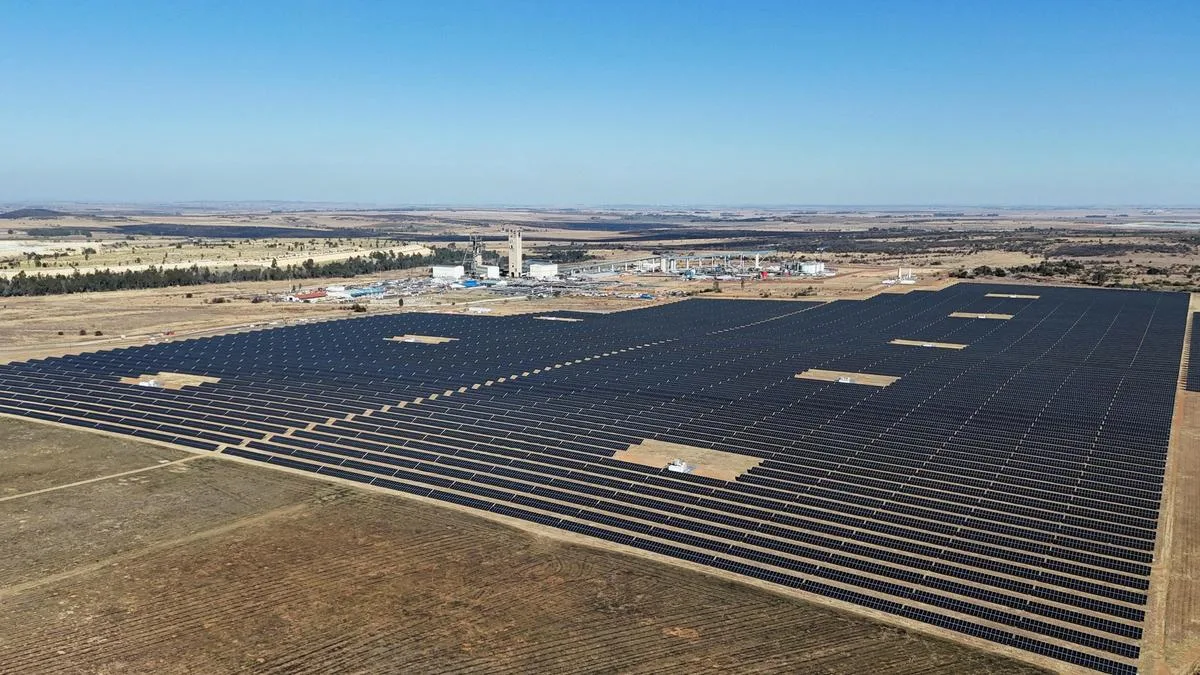
By an estimate, MDBs expect to provide only about $120 billion a year in climate finance to low- and middle-income countries by 2030, alongside $65 billion of private capital mobilisation. | Photo Credit: Reuters
The prevailing architecture of international finance — the web of institutions, rules, and practices that govern global capital — is undergoing a profound transformation. For decades, this system, anchored by the International Monetary Fund and the World Bank, operated under the aegis of the developed world, or the Global North. However, as global power dynamics shift, the traditional model faces increasing strain, struggling to address the urgent requirements of the Sustainable Development Goals (SDGs) and the escalating climate crisis. As the influence of the Global North wanes, a new, more multipolar order is emerging, with India positioned at its vanguard to redefine the future of global green finance.
The international financial architecture is no longer the sole purview of the West. The rise of emerging economies — China, Brazil, and India — has introduced new dimensions to global economic and political landscapes. This transition is being accelerated by a perceptible withdrawal of traditional leaders, led by the United States, from key global commitments, including the SDG agenda, UNFCCC, and the Paris Agreement.
This vacuum of leadership, combined with a growing reluctance among traditional Multilateral Development Banks (MDBs) to aggressively pivot their portfolios toward climate and clean energy, has created a pressing need for alternatives. Given the growing needs of green finance, the future is not about governments or institutions providing trillions themselves; it is about using constrained public budgets to reduce risk and mobilise private capital. The MDBs have found it challenging not only to raise more money themselves but also in designing instruments capable of mobilising private capital particularly for green development. By an estimate, MDBs expect to provide only about $120 billion a year in climate finance to low- and middle-income countries by 2030, alongside $65 billion of private capital mobilisation.
It is within this context that India has emerged as a crucial bridge, utilising its leadership in the “Voice of the Global South Summits”, its 2023 G20 presidency, and its strategic positioning at COP conferences to advocate for a more equitable global order for the developing south.
India has moved beyond mere advocacy, actively exercising “institutional entrepreneurship” to build the infrastructure of the future. By leading the establishment of the International Solar Alliance (ISA), the Coalition for Disaster Resilient Infrastructure (CDRI), and the Global Biofuel Alliance (GBA), India has created practical, action-oriented platforms that focus on specific global public goods.
These initiatives are not intended to dismantle existing systems, but to complement and reinforce them.
5News aggregated this summary from the outlet’s public feed. The full article, with all the context, is on www.thehindu.com — the content belongs to The Hindu.