The terroir and tradition behind barrel-aged, Japanese soy sauce
Account subscription benefits alongside Premium Stories, Editorials, Opinions and more. Unlock these with Subscription
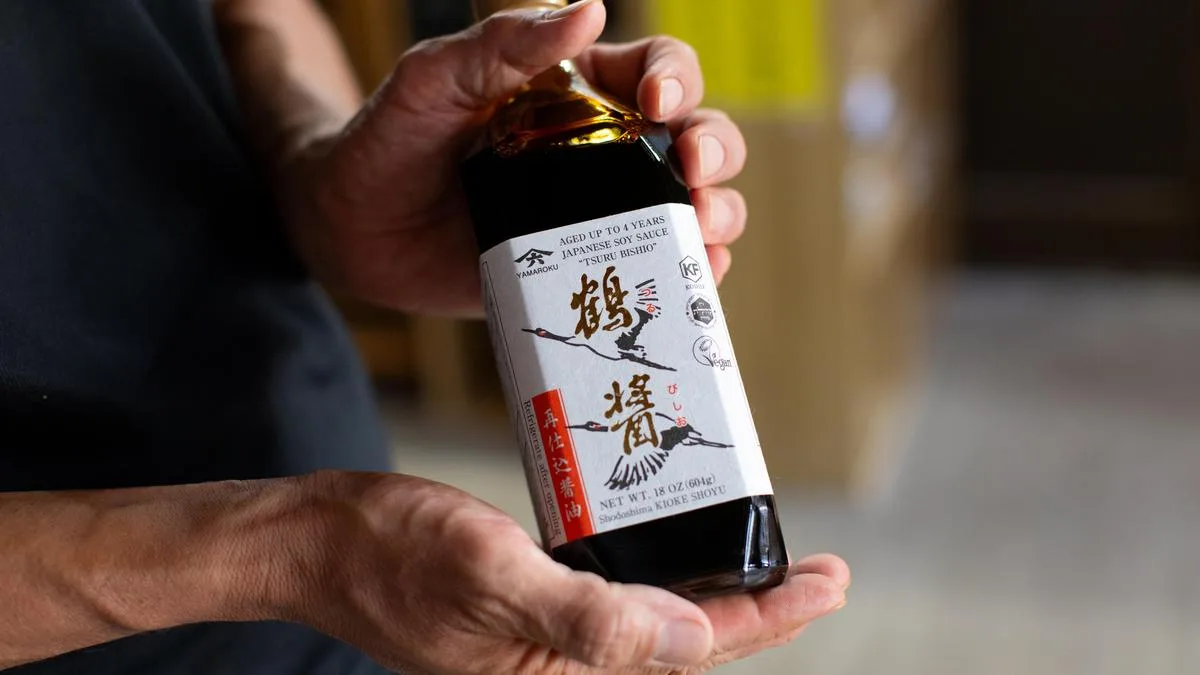
Barrel aged shoyu from the Yamaroku brand | Photo Credit: Special arrangement
Aged soy sauce can have terroir, techniques and flavour notes, just as wine or whisky. On the Japanese island of Shodo, umami-rich soy sauce is fermented in centuries-old wooden barrels, that gives it a nuanced rich flavour. On August 22 and 24, Oberoi Hotels in Bengaluru and Mumbai are hosting a dinner that pairs these soy sauces with a curated Japanese multi-course meal, bringing together history and craft.
Soy sauce being brewed in Yamaroku Shoyu, a historic soy sauce company, that has been family-owned for 150 years | Photo Credit: Special arrangement
The dinner, titled Kioke Dojo, is helmed by Chef Yoshifumi Tashima, of Tokyo-based restaurant, Namida. He is partnering with Yamaroku Shoyu, a historic soy sauce brewery that has been family-owned for 150 years. Bringing them down to India is the online trade platform SpicedLore by Tropical Trading Co. In India, chefs Randy Cultivo (at Wabi Sabi in Bengaluru) and Richard Malone (At Fenix in Mumbai) will join hands to create the meal.
Yasuo Yamamoto, is a proprietor and fifth generation brewer at the Yamaroku Shoyu brand. Their brewing house was built at the start of the Meiji Era, over 100 years ago. The company specialises in making shoyu (soy sauce) that is aged in wooden barrels called kioke. "In Japanese brewing , these barrels are traditionally made from cedar, often using wood from regions such as Nara, and are constructed using cedar and bamboo. They are used for brewing and fermenting foods such as soy sauce, miso, and sake.” Over decades of use, the wood develops its own living ecosystem of microorganisms, contributing to the distinctive aromas and flavours of each brewery. A well-made kioke can remain in use for generations; some for well over a century.
“Ageing creates a depth that cannot be fully captured by scientific analysis or reduced to a number. It is the difference between simply making soy sauce and allowing a living fermentation to evolve. For us, that is the essence of kioke shoyu: wood, microorganisms, ingredients, craftsmanship and time coming together to create something that cannot be hurried; and cannot be exactly replicated elsewhere.” That, along with the island’s Mediterranean-like climate adds to the flavour.
(Left) Chef Yoshifumi Tashima and (right) Yasuo Yamamoto, a proprietor and fifth generation brewer at the Yamaroku company | Photo Credit: Special arrangement
While sipping soy sauce on its own is not a tradition in Japan, Yoshifumi says it is more a way to taste and study soy sauce. “When tasted by itself, soy sauce can initially seem intensely salty because of its high salt concentration. But tasting it in its original form allows you to discover what lies beneath that saltiness, the aroma, umami, acidity, sweetness, and finish.”
He says there is no single rule for pairing soy sauce. White soy sauce, light-coloured soy sauce, dark soy sauce, double-brewed soy sauce, tamari, and other styles each have their own personalities.
5News aggregated this summary from the outlet’s public feed. The full article, with all the context, is on www.thehindu.com — the content belongs to The Hindu.