‘English cricket has died’: How Australia's seven-run Oval shock on 29 August 1882 gave birth to The Ashes
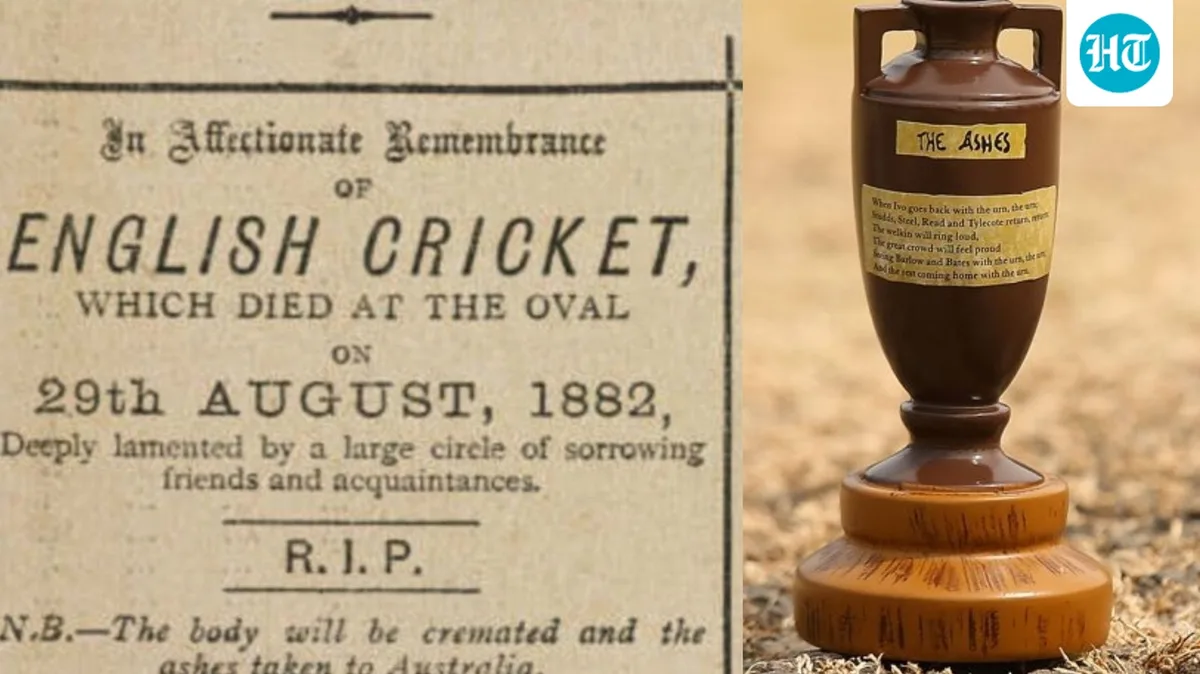
On 29th August in 1882, England needed 85 runs to win a Test match at The Oval. They had WG Grace, home conditions and what appeared to be an almost laughably small target. By the end of the day, however, Australia had won by seven runs, English cricket had suffered one of its earliest great humiliations and the chain of events that created the Ashes had begun.
The famous rivalry between England and Australia is generally traced back to that remarkable Test, played at Kennington Oval on August 28 and 29, 1882. It was only the ninth Test match in history and Australia had never previously beaten England on English soil.
Nothing about the opening innings suggested history was about to be made. Australia were bowled out for only 63, collapsing to 30/6 before wicketkeeper Jack Blackham's 17 helped give the innings some respectability. Dick Barlow took 5/19 for England, while Ted Peate claimed 4/31.
England, however, could not take control. Fred Spofforth, already known as "The Demon", ripped through the batting order with 7/46 as the hosts were dismissed for 101. A first-innings lead of 38 remained useful, but Australia were still alive.
On August 29, Hugh Massie transformed the contest with an extraordinary counterattack. He made 55 from 60 balls, scoring 55 of Australia's first 66 runs, while captain Billy Murdoch contributed 29. Australia were eventually dismissed for 122.
England required only 85. There had already been tension between the teams. During Australia's second innings, Sammy Jones completed a run and then stepped out of his crease, apparently believing the ball was dead. Grace removed the bails and Jones was given run out. The Australians were furious, and Ashes folklore has long associated the incident with Spofforth's determination to make England pay.
For a while, the chase remained under control. Grace made 32 and George Ulyett 11 as England reached 51/3. Even after Grace was dismissed at 53/4, the hosts needed only another 32 runs with six wickets remaining.
Then Spofforth took over. Runs became almost impossible to find. Alfred Lyttelton fell with the score on 66. Allan Steel departed at 70 before Maurice Read was bowled for a duck at the same score. Arthur Lucas and Billy Barnes briefly moved England towards the target, but Spofforth removed Lucas at 75, and Harry Boyle dismissed Barnes without another run being added.
England were 75/9, ten runs away. Ted Peate, the last man, managed two before Boyle bowled him. England were all out for 77. Australia had won by seven runs.
Spofforth finished with 7/44 in the innings and 14 wickets in the match. Boyle's 3/19 completed one of the most famous defences in Test history. The defeat was extraordinary enough on its own; what followed turned it into mythology.
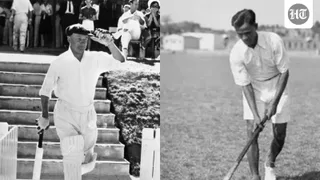
Also Read: When the Don met the Wizard: Bradman met Dhyan Chand and then watched his home team get thrashed 10-1
The shock reverberated through the English press.
5News aggregated this summary from the outlet’s public feed. The full article, with all the context, is on www.hindustantimes.com — the content belongs to Hindustan Times - Cricket.