IIP growth slows to 6.7% in July 2026, economists warn of sluggish rural consumption
Account subscription benefits alongside Premium Stories, Editorials, Opinions and more. Unlock these with Subscription
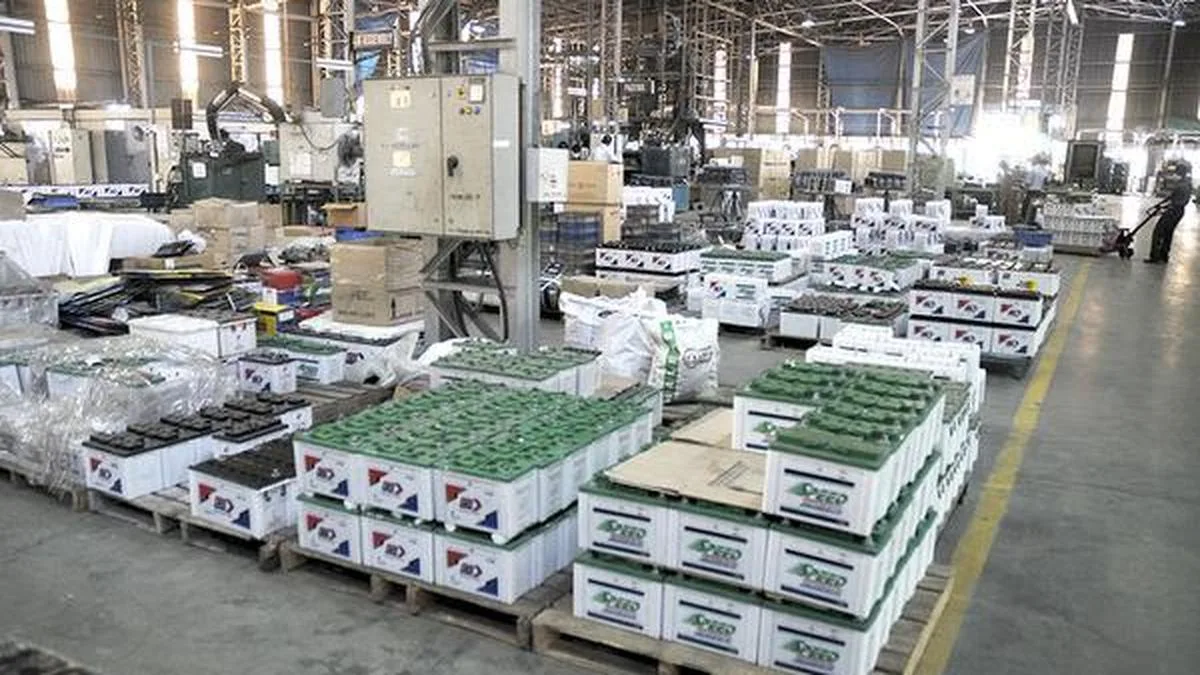
Image used for representational purposes only. | Photo Credit: S.R. Raghunathan
India’s industrial growth in July 2026 stood at 6.7%, slower than the 8.8% seen in June. July’s performance of the Index of Industrial Production (IIP) was, however, the second-best growth the Index has seen since December last year, and was buoyed by the manufacturing and electricity and gas supply sectors.
The IIP data released by the Ministry of Statistics and Programme Implementation, the third release under the new series, also saw June’s IIP growth rate upgraded from the provisional 7.3% announced last month to the 8.8% seen in the latest release.
According to economists, the data in particular shows a divergence in India’s consumption trends, with rural consumption levels exhibiting weakness.
The manufacturing sector grew by 7.3% in July 2026, down from the 9.5% it saw in June, but faster than the 5.1% growth in July of last year.
“The manufacturing sector growth was propelled by industries like engineering [electric and non-electrical] and automobiles [all kinds of transport] besides electronics and plastic and rubber products,” Madan Sabnavis, chief economist at the Bank of Baroda, said.
He added that industries such as beverages, wood, paper, and non-metallic minerals also supported this relatively high growth.
Rajeev Sharan, head of research at Brickwork Ratings, however, said that the main 6.7% growth in the IIP might be overstating “the breadth of the recovery” as the underlying data shows a split in the way Indians are spending their money.
That is, the data seems to suggest that expenditure on daily-use items is slowing while spending on durables seems to be doing well.
“The July numbers show a widening gap in household spending,” Mr. Sharan explained. “Consumer durables, the big-ticket items such as vehicles and appliances, grew 10.5%, while everyday goods such as food and toiletries [consumer non-durables] fell 1%.”
Mr. Sabnavis agreed with this assessment, saying that it was likely to have been the non-consumer categories that drove the growth in manufacturing in July.
Mr. Sharan added that a similar split runs through factory output, with the motor vehicles sector up 22.2% and electrical equipment up 28.3%, while food products grew a much slower 2.6% and clothing contracted 0.6%.
“This suggests discretionary and credit-linked purchases remain strong, while everyday items, more closely tied to rural incomes and real wages, remain weak,” Mr. Sharan said. “Headline IIP at 6.7% therefore overstates the breadth of the recovery.”
5News aggregated this summary from the outlet’s public feed. The full article, with all the context, is on www.thehindu.com — the content belongs to The Hindu.