Beyond the gates: how former inmates rebuilt their lives after prison
Account subscription benefits alongside Premium Stories, Editorials, Opinions and more. Unlock these with Subscription
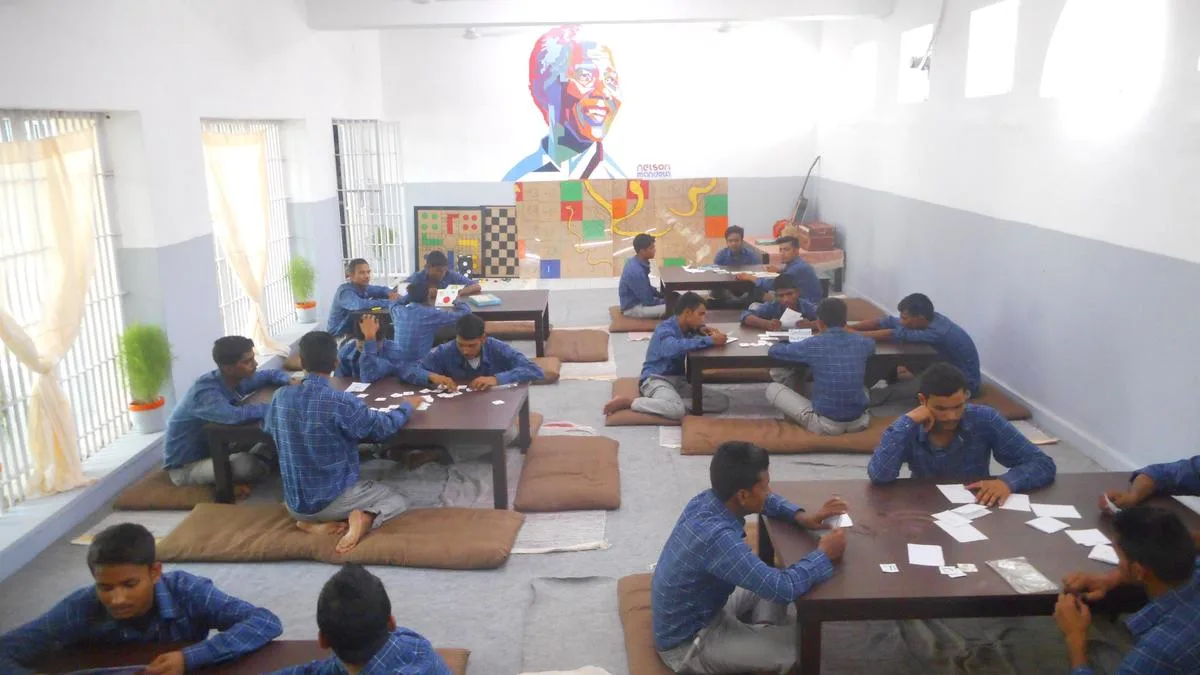
Inmates receiving education at the BetterLife Prison School inside the Tihar Central Jail in New Delhi. | Photo Credit: Special arrangement
When Lakshman, 28 (name changed on request), walked out of prison after seven years, one of the first things he had to learn was how to use a smartphone.
His experience captures a less visible consequence of imprisonment: a sentence may end on paper, but reintegration can take much longer. For many former prisoners, education has offered a way to rebuild their lives after release. It has opened up opportunities for work, helping overcome stigma and, in some cases, giving them the means to return to the prison system to help those still behind bars.
Mr. Lakshman was convicted in a murder case in 2015 and remained in Tihar prison until 2022. His father had died in 2013, and his family was already struggling financially. In prison, he began working in the canteen, earning ₹85 a day after six months, and started sending part of his earnings home to support his sister.
The years in prison exposed him to the psychological toll of incarceration. He saw fellow prisoners die by suicide and said the loneliness of the night could make it difficult to process emotions. “The thought crossed my mind too,” he said, but work and education helped him stay focused.
He completed Class 12 and began pursuing a BA while in prison. When he learnt about BetterLife Prison School, a programme offering functional literacy and foundational education, he enrolled there as well.
Today, Mr. Lakshman works as a field lead with Project Second Chance, an initiative of the TYCIA Foundation focused on education, mental health support, life skills and legal assistance for prisoners. His work includes gender sensitisation among young inmates convicted of crimes against women, mental health counselling and legal support for released prisoners across Delhi, Uttarakhand and Haryana.
“My life’s purpose changed. I dreamt of becoming a police officer or joining the Army, but after my jail term, I wanted to become a social worker. I don’t want anyone to face what I faced,” he said.
For Karan Kumar, 27, education became a way to rebuild his life after prison.
He was 18 and preparing for his Class 12 examination while pursuing a course in graphic and 3D animation when a fight between students at his school left another boy seriously injured. Mr. Kumar was sent to Tihar in connection with the case in June 2017. The boy later succumbed to his injuries, and Mr. Kumar remained in prison until his release in April 2025, though he was granted short periods of bail, including during the COVID-19 pandemic. His case is currently closed, with no court dates pending.
His elder sister’s response became a turning point. During his first Raksha Bandhan in prison, his sister told him she would become a lawyer so she could help people like her brother. She eventually became a lawyer and is practising in the Delhi High Court.
5News aggregated this summary from the outlet’s public feed. The full article, with all the context, is on www.thehindu.com — the content belongs to The Hindu.