High volume of exotic animal applications in T.N., gaps in facilities hamper regulation and seizure
Account subscription benefits alongside Premium Stories, Editorials, Opinions and more. Unlock these with Subscription
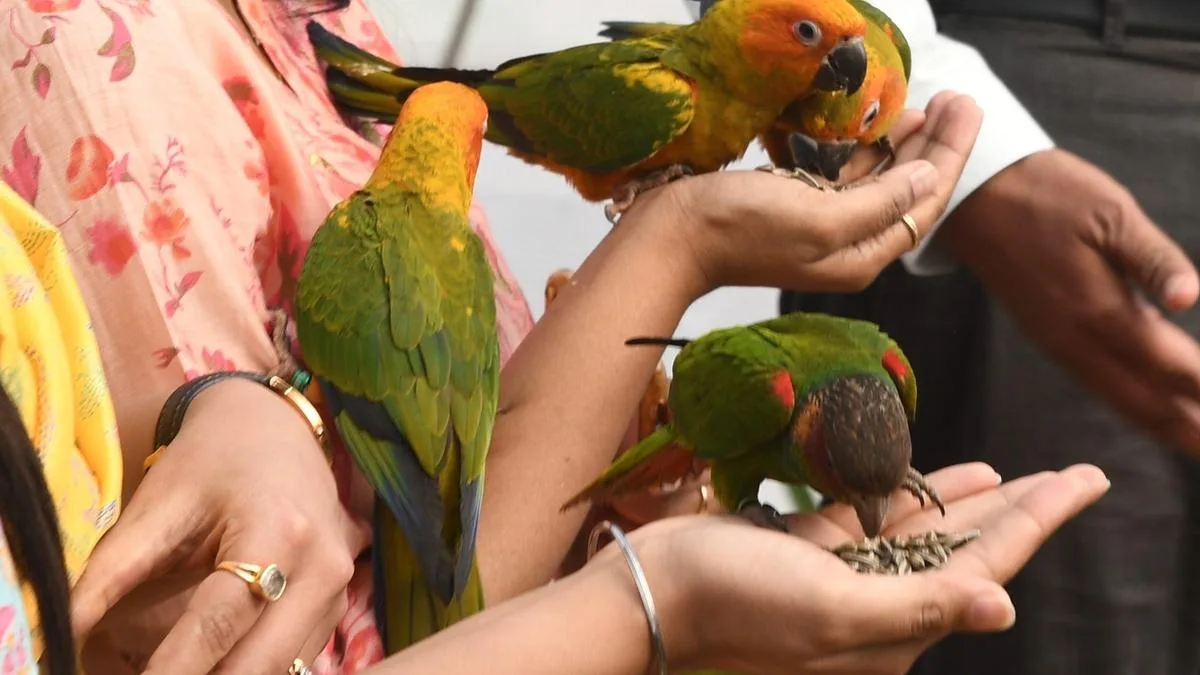
Image used for representational purposes only | Photo Credit: M. Sathyamoorthy
A high volume of applications seeking registration of exotic animals is pending before the Tamil Nadu Forest Department, while the State faces a shortage of dedicated facilities to house exotic wildlife when it is seized.
Sources said around 2,000 applications are pending before the Chief Wildlife Warden (CWLW), the final authority in the State’s approval process. The number of applications pending at the district level is understood to be higher, as applications are first scrutinised by district authorities before being forwarded to the CWLW.
A senior Forest Department official confirmed there was a high volume of applications and said the backlog was partly linked to the transition from the earlier PARIVESH 1.0 portal to PARIVESH 2.0. When the new portal was introduced, several applicants had already filed their applications on PARIVESH 1.0, and it remains unclear whether these applications will be migrated to the new platform or whether applicants will have to reapply, the official said.
At the same time, the official said the portal transition was not the only reason for the volume, pointing out that demand for exotic wildlife was also high.
Breeders of exotic animals should seek permission from Chief Wildlife Warden
The volume of applications has implications for the department’s ability to scrutinise documents and conduct physical verification of animals and facilities. Under the Living Animal Species (Reporting and Registration) Rules, 2024, possession of animals covered under Schedule IV of the Wild Life (Protection) Act has to be reported and registered. The process involves scrutiny of the application, an inquiry and physical verification of the facility before a registration certificate is issued.
Rakesh Kumar Dogra, CWLW, said the scrutiny and approval of applications was a long and complex process, involving verification of the information with the Forest Departments of other States, particularly in the case of species listed in the CITES Appendices. The applications were being processed as per the prescribed norms.
Another challenge is the lack of infrastructure to house exotic animals after they are seized, say activists. Tamil Nadu does not have dedicated facilities to quarantine and accommodate exotic wildlife taken into custody by enforcement agencies.
This has emerged as a concern in the ongoing investigation in Erode involving exotic animals, days after a video of actor Vikram playing with a Lar Gibbon at the residence of Chennai businessman C.K. Rangananthan, as officials are also considering where the animals could be housed if they are confiscated.
Unlike native wildlife, seized exotic animals cannot simply be released into their natural habitat.
5News aggregated this summary from the outlet’s public feed. The full article, with all the context, is on www.thehindu.com — the content belongs to The Hindu - National.