In 1998, Costa Rica spread 12,000 tonnes of orange waste; 16 years later, forest biomass rose 176%
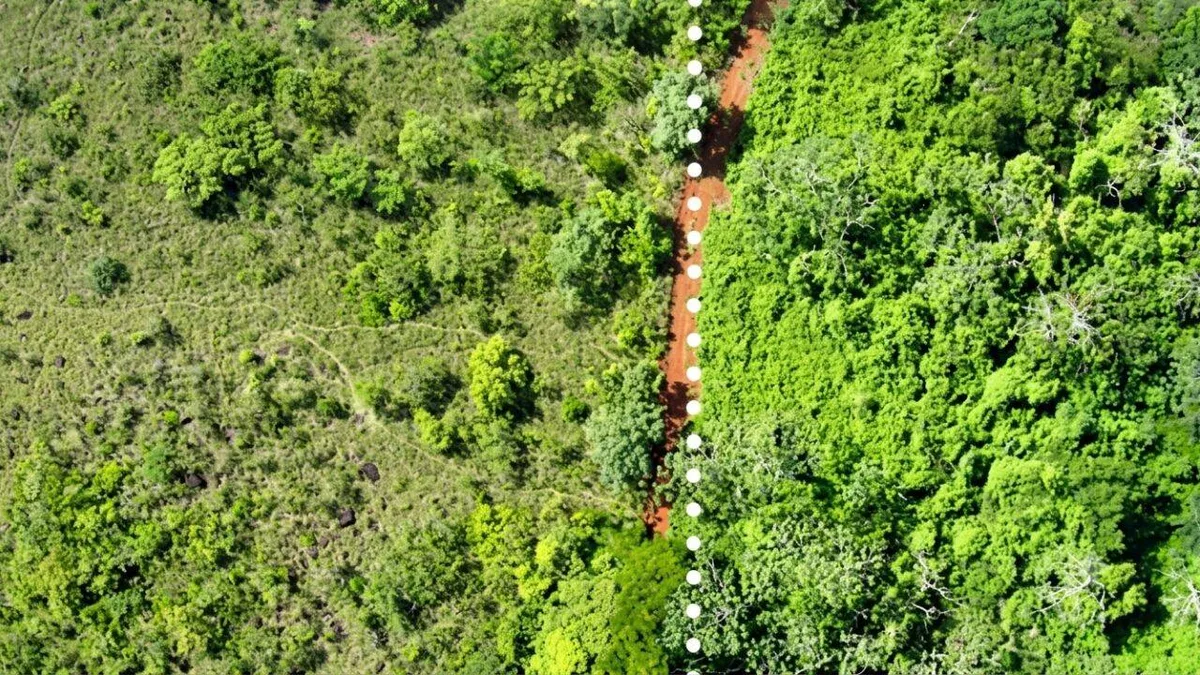
In 1998, about 12,000 metric tonnes of orange peels and pulp were spread over a degraded pasture in Costa Rica as part of an unusual forest restoration experiment.
Sixteen years later, researchers found that the site had developed into a dense forest, with richer soil, greater tree diversity and a 176% increase in aboveground biomass.
5News aggregated this summary from the outlet’s public feed. The full article, with all the context, is on timesofindia.indiatimes.com — the content belongs to Times of India - World.