The Hindu Lit for Life Unplugged: Meena Kandasamy on why the Left still does not know how to talk about sex
Account subscription benefits alongside Premium Stories, Editorials, Opinions and more. Unlock these with Subscription
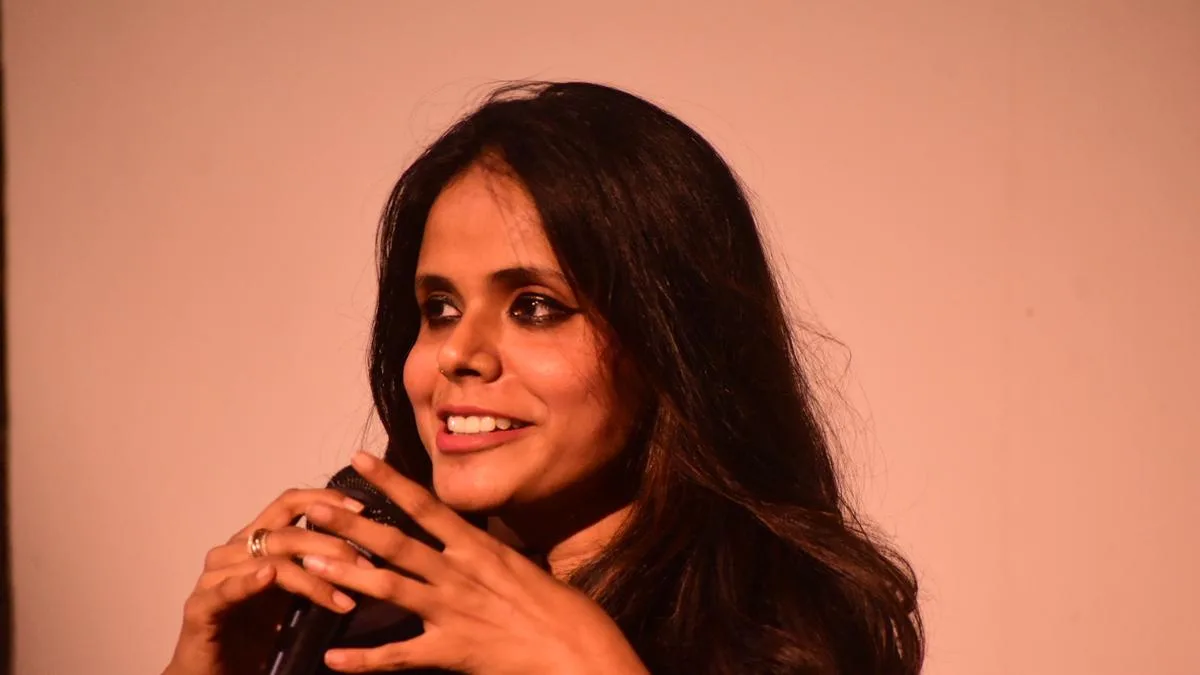
Meena Kandasamy has never been shy about having her work challenge the Left — her own political community. For years now, this award-winning poet-novelist’s critique has taken the shape of Facebook posts, and tweets. Now, more recently, it takes the shape of a book that is a sharp and frankly hilarious take-down of the Indian manosphere.
“When you identify yourself with something, a movement, you not only have responsibilities but you also have duties. I have always been trying to point out what is happening within the Left which I think is problematic. One of the things that they have not yet come to terms with is how they treat women and how they treat sexuality,” she says.
Meena is all set to be in conversation with Vaishna Roy, Editor, Frontline , at the The Hindu Lit for Life Unplugged event titled Women, Power & Desire on August 21 at Amethyst’s Wild Garden Bar. Ahead of the event, she speaks about the years of online abuse that shaped how she writes about the Internet, and her decades-long tug-of-war with Chennai.
Meena says that she has trained her fiction on the failures of the political Left — from the collapse of electoral Marxism in Gypsy Goddess to the way progressive men can weaponise left-wing language to shame women in When I Hit You . “If it’s the devil, it will quote the scripture — so they can even quote Marx and justify their ways. One of the things they have not yet come to terms with is how they treat women and how they treat sexuality,” she says.
Over the years, Meena has observed that the Left also takes to a selective feudalism that calls out superstition and deference to power, but leaves its own attitudes toward women and desire unexamined. That critique plays out through Amy, Fieldwork As A Sex Worker ’s (Harper Collins) protagonist, who was deliberately built as someone very unlike herself. Amy is unlikable but surely important enough to take notice of. "It had to be someone from Delhi. She had to be a student who would go to the frontlines, to Jamia. It is only there that cases like UAPA are slapped callously on students. The national media would take notice only if she was from there and write the headlines that it chooses to. It could not have been someone from here (Chennai),” she says.
With Fieldwork introducing several characters that represent society’s myriad follies — of a lower caste Tamil woman who helps an Eelam Tamil soldier, a ditsy white activist — Meena spends time shaping the characters, besides that of the protagonist, who have their own separate arcs so they are not reduced to tropes.
Meena says that her broader process of building characters involves disciplined listening. "You really have to go pick the details of what makes them specific — how they move around the world, how they treat each other, what are the tensions," she says. She adds that writing other people requires retreating into oneself and toning down her own personality so a book stays about its subject rather than its author.
5News aggregated this summary from the outlet’s public feed. The full article, with all the context, is on www.thehindu.com — the content belongs to The Hindu.