Inat and the recipe for being Djokovic
Account subscription benefits alongside Premium Stories, Editorials, Opinions and more. Unlock these with Subscription
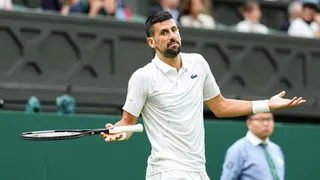
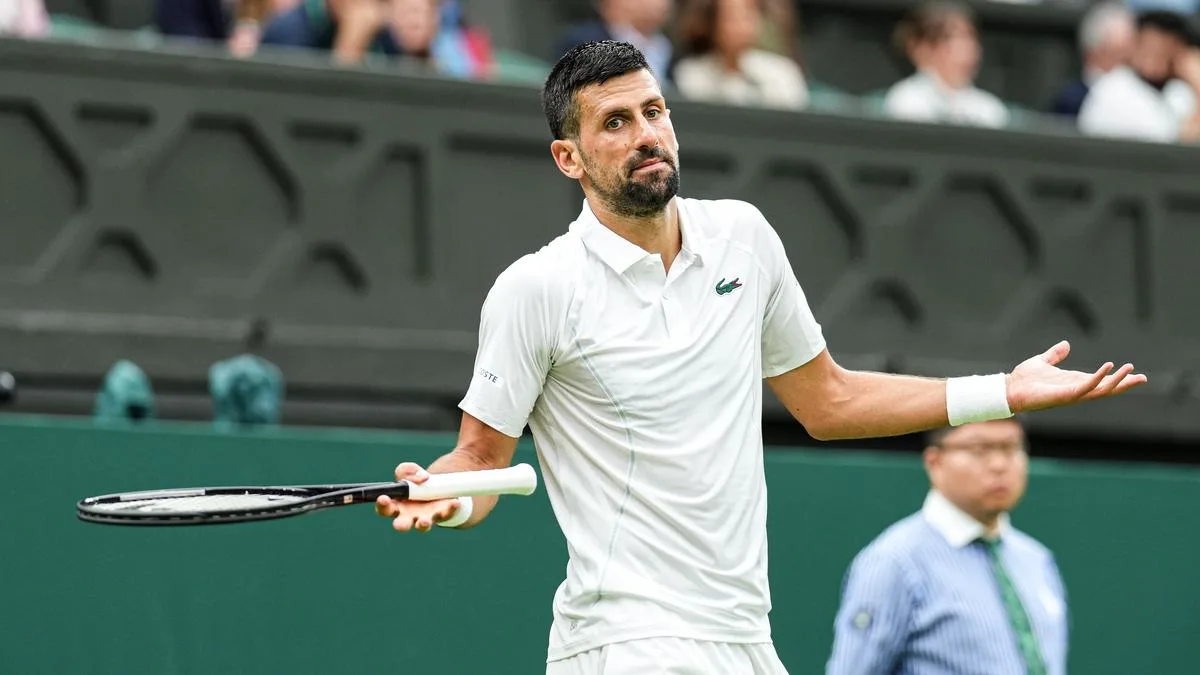
Novak Djokovic is the undisputed poster boy of sports longevity. He turns 40 in 2027, and at 39, his ATP ranking is No. 5. He embodies longevity as the world knows it today. When it comes to winning, Djoko or Nole, as he is known among fans, still pushes out the fangs. He defeated World No. 1 Jannik Sinner in a four-plus-hour battle in the semi-final of the Australian Open in 2026 itself.
A question that haunts the tennis world: “Will Djokovic retire soon?” Given his momentum, that question is starting to feel stale, and as the documentary reveals, it annoys him. “If I can still be a top 10 player and compete at the highest level, why should I stop?” he asks.
Out of the three greats of his generation, Rafael Nadal and Roger Federer are now overseeing their own companies and playing golf. Jason Hehir, director of the new documentary on Djokovic, Novak Djokovic: The Wolf in Winter , also directed the definitive documentary on Michael Jordan, The Last Dance . He recently said on the Nothing Major tennis podcast that the Djokovic documentary has been in the making since 2017.
Hehir came into the production in 2023. His film isn’t meant to be an all-encompassing biography of Djokovic — a player of outrageous talent and unmatched mental grit, a man who controversy follows, and one who represents Serbia in the way he wins.
Djokovic has the most impressive stats in the history of the game — the most grand slam wins (24) and the longest time spent as World No. 1 tennis player ever.
Djokovic embodies this Serbian concept, which roughly translates to a force of stubbornness when things don’t go one’s way. When, in the 1990s, NATO started bombing Belgrade, people famously gathered on a bridge wearing a paper tag on their chests with the word ‘target’ written across it — one of the great archival footages the documentary uses. Come bomb us, you can’t break our spirit, Belgradians meant. Djokovic grew up in that city during that violent phase in Serbian history, and proudly and unapologetically owns his Inat .
“Djokovic embodies this Serbian concept, which roughly translates to a force of stubbornness when things don’t go one’s way.”
A byte from Andre Agassi explains how Inat plays out on the tennis court. Agassi was Djokovic’s coach in the years leading up to his meteoric rise since 2011. Djokovic needs to feel enough darkness to get the most out of himself, Agassi says: “For Novak to do the job, he needed fear or anger because with love or appreciation he loses his fangs.” Despite his unprecedented success on the tennis court, Djokovic has had an antagonistic relationship with audiences. When he retired, hurt, from the 2025 Australian Open semi-final against Alexander Zverev, the Australian crowd booed him. As Agassi explains, he uses that booing to get his fangs out, summoning Inat .
The wolf is his spirit animal; it’s the national animal of Serbia and a symbol of fearlessness in the country’s spiritual folklore.
5News aggregated this summary from the outlet’s public feed. The full article, with all the context, is on www.thehindu.com — the content belongs to The Hindu.