As Project Cheetah completes 4 years, big cat population in India rises to 52
Account subscription benefits alongside Premium Stories, Editorials, Opinions and more. Unlock these with Subscription
On September 17, 2022, Prime Minister Narendra Modi released eight wild cheetahs from Namibia into special enclosures at Kuno National Park in Madhya Pradesh. File | Photo Credit: PTI
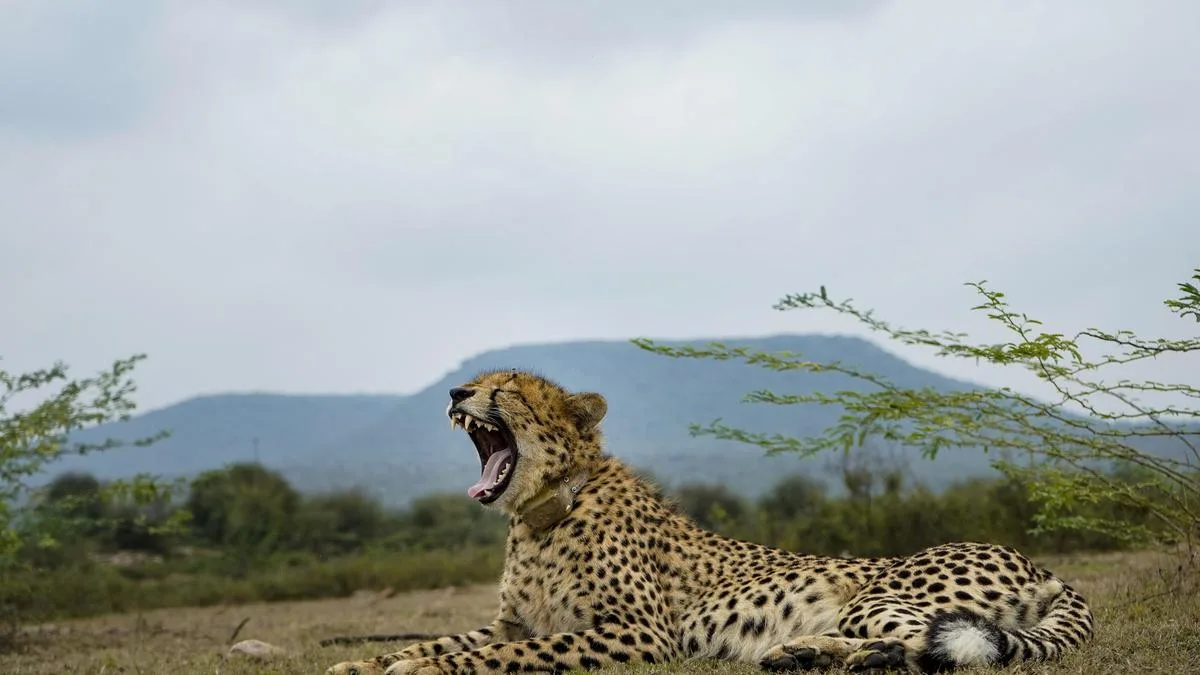
India’s cheetah population has risen to 52, including 32 cubs born in the country, as Project Cheetah completes four years on September 17, 2026, with officials highlighting the survival of cubs, breeding success and the expansion of the animals into open forest areas as key milestones.
On September 17, 2022, Prime Minister Narendra Modi released eight wild cheetahs from Namibia into special enclosures at Kuno National Park in Madhya Pradesh.
The next phase of the cheetah restoration programme involves expanding suitable habitat for cheetahs and establishing a comprehensive, long term cheetah meta population in India.
While 49 cheetahs are in Kuno National Park, three others are in Gandhi Sagar Sanctuary, both in Madhya Pradesh. Over the last four years, many important milestones have been achieved, ranging from the reintroduction of cheetahs to breeding, survival of cubs and expansion into open forest, an official said in a statement.
The journey that began in Namibia on the distant African continent has now reached Gandhi Sagar Sanctuary. A total of 32 cheetahs were born in India, officials said.
The success in cheetah breeding and expansion was achieved by learning from difficulties. “The team faced many challenges in the first year of cheetah reintroduction. During this time, they gained experience in cheetah behaviour, health, and management adapted to Indian conditions,” an official said.
In the next year, the focus shifted to the survival and development of cubs born in India. According to the document, 13 cubs survived for more than a year after birth.
In the third year, 2025, cheetahs were released into open forest areas. They were monitored 24 hours a day across an interstate landscape spanning 12 districts, officials said, adding that the cheetahs gradually adapted to new areas.
The establishment of breeding females and the successful survival of the second generation of cubs in the fourth year are considered significant achievements of the programme, they said.
Referring to various milestones in the project, the official said three of the eight cheetahs imported from Namibia are alive. These, along with the 22 cubs born in India, bring the total number of surviving Namibian born cheetahs and their offspring to 25.
On February 18, 2023, officials said, 12 cheetahs were imported from South Africa , and eight of them are alive. With 10 cubs born in India, the population of surviving South African origin cheetahs and their offspring has reached 18. Of this group, 15 are in KNP and three in Gandhi Sagar.
In February this year, nine cheetahs were brought to India from Botswana, further strengthening the international base for cheetah restoration in India.
5News aggregated this summary from the outlet’s public feed. The full article, with all the context, is on www.thehindu.com — the content belongs to The Hindu - Sci-Tech.