Tokyo government announces removal of all public phones from city’s Toei subway stations
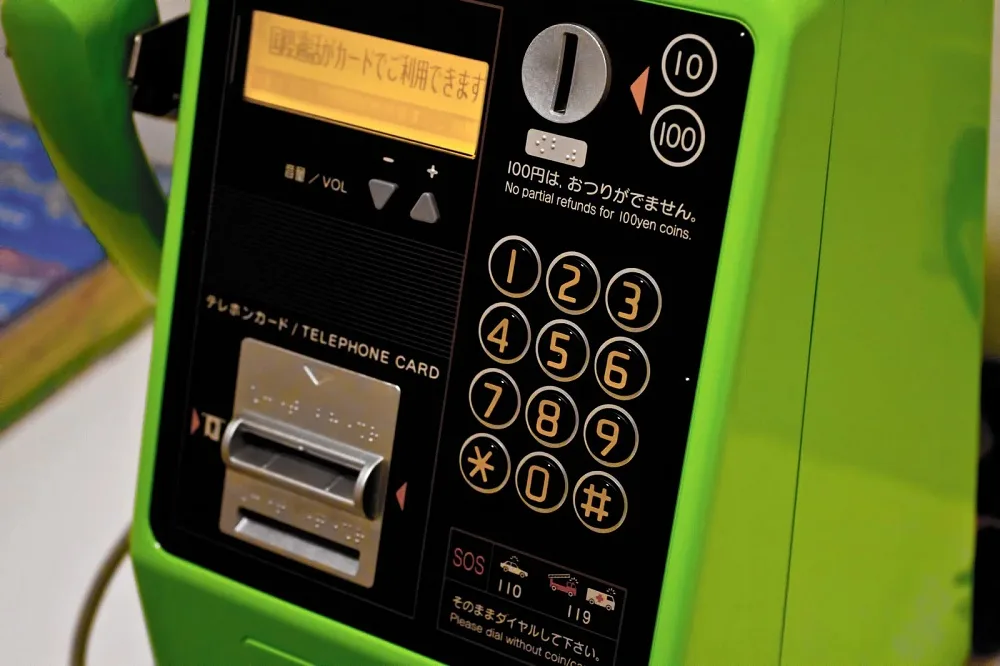
Decision wasn’t made by the transportation bureau, though .
Generally speaking, when the Tokyo Metropolitan Bureau of Transportation has an announcement to make, it has something to do with trains, buses, or some other form of public transit.
One of the organization’s latest statements, though, is about phones.
Specifically, it’s about public phones inside subway stations , and how they’re going to be disappearing .
Tokyo is actually big enough that it has two different subway networks.
The bureau’s announcement affects the government-managed Toei Subway system, which consists of the Asakusa, Mito, Oedo, and Shinjuku Lines , and the timetable is for none of their stations to have payphone by November of 2028 at the latest.
This isn’t a change that’s being initiated by the Tokyo government, however.
Instead, it’s telecommunications operator NTT East that’s saying it wants to remove all of its phones from Toei Subway stations, and the bureau is simply passing on the company’s decision to the general public.
There’s a strong argument to be made that, in this day and age, public phones rarely serve any significant purpose.
It’s not unusual for even junior high school kids to have their own smartphones, so pretty much anyone who’s going to be out and about in the city already has a way to make telephone calls, in addition to using messaging and voice chat apps for necessary communication with family, friends, classmates, or colleagues. ▼ Plus you can’t read SoraNews24 on a public phone, and just look at how annoyed this guy is by that shortcoming.
However, pay phones also have a role as disaster-relief infrastructure .
Not only can they be used to contact medical and fire services, public phone networks can also be used, for free, in the case of events such as earthquakes and tsunami to make calls and contact voice message services .
They provide a critical lifeline for people in disaster-stricken areas whose phones may have been lost or damaged, or who may not have access to a power supply or charging equipment after their phone’s battery runs out.
Because of that, under Japan’s Telecommunications Business Act, licensed payphone providers are required to maintain a certain concentration in areas in which they operate .
この要約はメディアの公開フィードから5Newsが集約したものです。 文脈も含めた全文はsoranews24.comにあります — コンテンツの権利はSoraNews24に帰属します。