Are Japanese temples on Mt Koya cashing in on the foreign tourism boom?
With more than 100 million yen in underreported income, questions are being raised over the morals of profiting from overseas tourists.
A lot of businesses and organisations in Japan are seeking to make the most of the current boom in tourism by finding new ways to promote themselves and appeal to the foreign tourist market.
However, when that organisation is tied up with religion, it can blur the lines between what’s morally right and wrong, which is the situation that Japan’s world-famous religious site Mt Koya has now found itself in.
Located in the mountains of Wakayama Prefecture , Mt Koya has long been a revered religious site for pilgrims , and is so special it’s part of a UNESCO World Heritage Site .
The site draws tourists from around the world, with many wanting to fully immerse themselves in the otherworldly spirit of the holy mountain by staying in temple accommodation , known as shukubo . ▼ Mt Koya, or “ Koyasan ” as it’s known in Japanese.
Following a recent tax investigation, it was found that religious corporations operating shukubo on Mt Koya had underreported more than 100 million yen (US$650,000) in income collectively , with around 90 million yen attributed to one temple, Sojiin .
In this case, the family of the chief priest was found to have used income from the temple lodging for personal expenses over a three-year period.
The tax authorities treated this as undeclared remuneration, and the religious corporation was hit with around 40 million yen in additional taxes and penalties .
The issue came to light on 10 September, when reports emerged that the Osaka Regional Taxation Bureau had investigated more than 10 religious corporations operating shukubo on Mt Koya , with more than half of those investigated found to have failed to properly declare income .
The news was widely reported in Japan, putting the spotlight on how religious organisations are making money from the current tourism boom.
In terms of taxes, income from religious activities such as donations and offerings is generally exempt from taxation, while income earned through revenue-generating businesses such as accommodation is taxable .
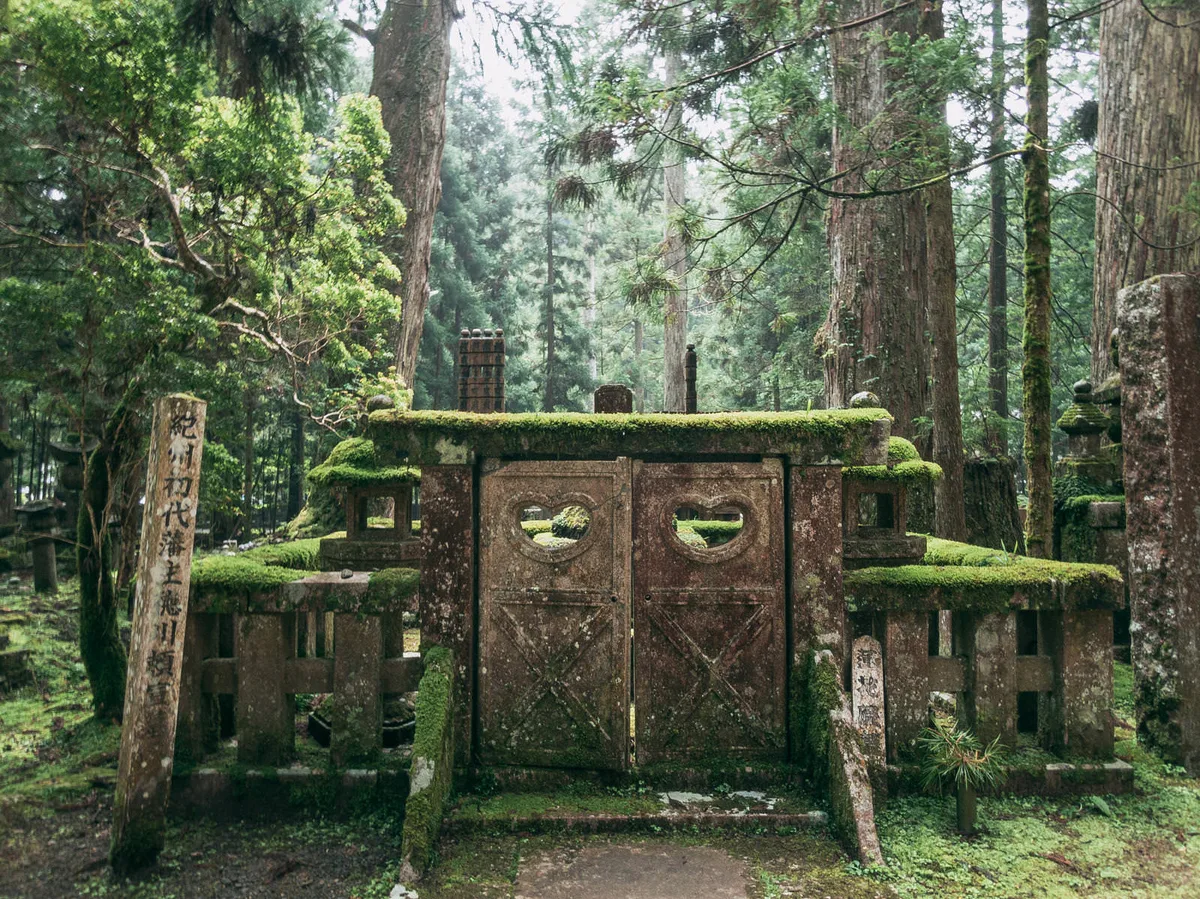
So although staying at a temple may be part of a spiritual or cultural experience, if that temple is operating accommodation as a business, the income it earns from those stays is subject to tax. ▼ Mt Koya is dotted with moss-covered religious sites and graves.
There’s certainly plenty of money being made from tourist stays.
Mt Koya has 117 temples , 51 of which operate shukubo , and in 2025 around 117,500 foreign guests stayed overnight on the mountain, a 10-percent increase from the previous year .
この要約はメディアの公開フィードから5Newsが集約したものです。 文脈も含めた全文はsoranews24.comにあります — コンテンツの権利はSoraNews24に帰属します。