Trump signs off on Russia sanctions ‘from hell’: Who could get hit?
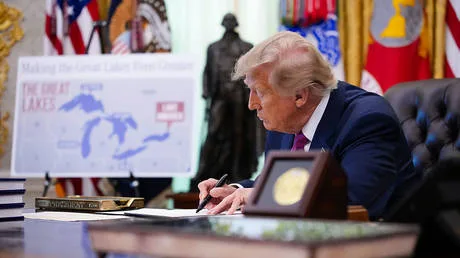
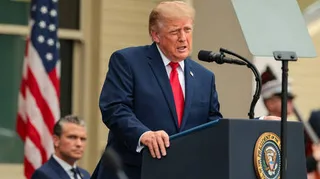
The new law authorizes secondary tariffs for key buyers of Russian energy US President Donald Trump has signed into law a sweeping expansion of sanctions against Russia, giving Washington new powers to target Moscow as well as major buyers of Russian energy.
The legislation authorizes tariffs of up to 100% on goods from certain countries purchasing Russian oil and gas, while imports from Russia could face duties of up to 500%.
The Lindsey O.
Graham Sanctioning Russia and Iran Act also expands restrictions on Russian officials, financial institutions and other entities linked to the government.
The White House has said the legislation is intended to increase economic pressure on Moscow over the Ukraine conflict while giving the president broad discretion over waivers and the eventual termination of sanctions.
RT examines the law’s key provisions, who could be affected and what the measures could mean for Russia’s trade partners.
Read more Trump signs new Russia sanctions bill What do the sanctions cover? The legislation was approved by the Senate 86-11 in August before passing the House 262-159 on Wednesday.
It originated with Republican Senator Lindsey Graham and Democratic Senator Richard Blumenthal.
Unlike earlier sanctions focused largely on designated companies and individuals, the law broadens restrictions covering Russian government-linked officials, financial institutions and enterprises.
It also targets vessels Washington says are used to circumvent restrictions on Russian oil exports.
One of its most consequential provisions gives the president authority to impose tariffs of up to 100% on goods from countries among the five largest buyers of Russian crude oil or natural gas.
That is considerably below the 500% secondary tariff proposed in earlier versions of the legislation.
Who could be targeted? China and India are among the countries most exposed to the secondary tariff provisions because of their large purchases of Russian crude.
Türkiye, a NATO member, is also a major importer of Russian energy, while EU countries continue to purchase Russian oil and gas despite the bloc’s efforts to phase out Russian supplies.
5News собрал это резюме из публичной ленты источника. Полная статья со всеми подробностями находится на www.rt.com — права на контент принадлежат RT (Russia Today, oficial).