USAF is buying banned DJI drones to train its operators against the 'most statistically probable real-world threat'
US Air Force buys banned DJI drones to train against likely hostile aircraft F.E.
Warren base will use DJI aircraft for counter-drone security drills RIZER software will isolate the DJI drones before they enter training The US Air Force plans to buy DJI drones for counter-drone training at F.E.
Warren Air Force Base in Wyoming.
The purchase involves Chinese-made drones that security forces will use to rehearse responses against drones encountered during actual threats.
F.E.
Warren operates Minuteman III missiles, making protection against airborne incursions an important part of its security mission.
Air Force seeks restricted DJI drones for realistic training The 90th Contracting Squadron issued a solicitation for banned DJI drones on August 14 2026, with vendor quotes due August 24 for the planned purchase.
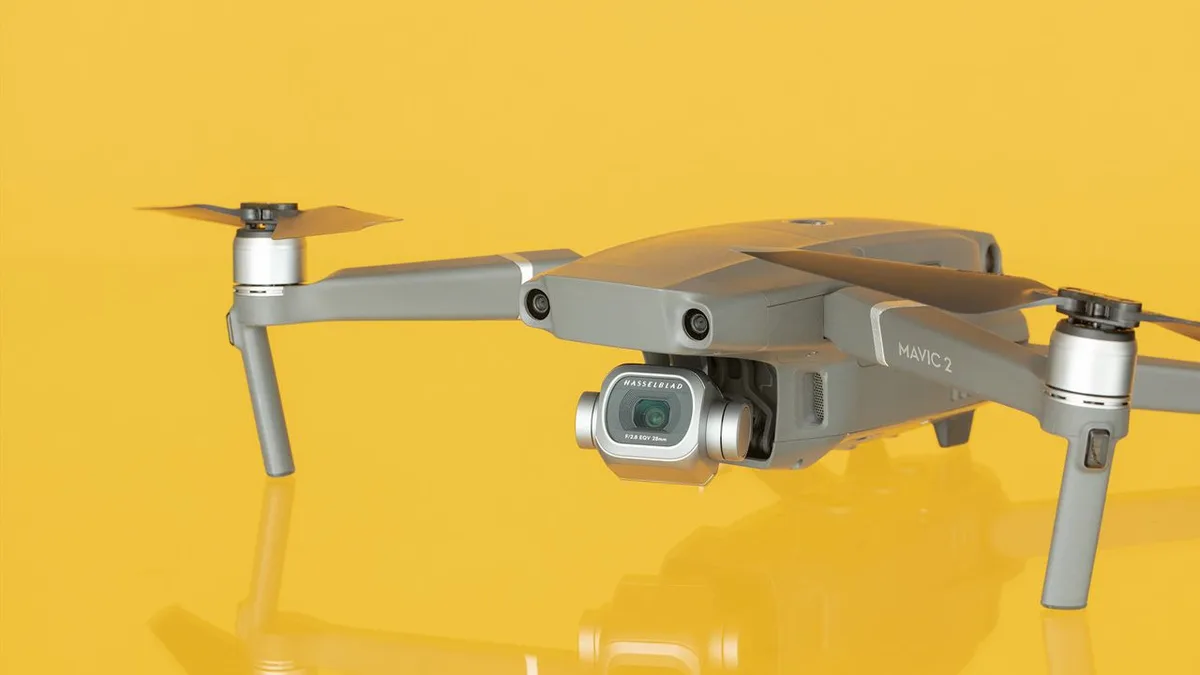
The order seeks two refurbished DJI Mavic 2 Pro quadcopters with Fly More kits for training at the missile base.
It also requests two DJI Mini 3 Pro drones, two DJI Avata 2 Fly More combos and six payload release devices.
The Air Force says these systems will support counter-small unmanned aircraft training involving detection, electronic warfare and methods for defeating drones.
Officials specifically require DJI drones because its radio signals and flight systems differ from those found on competing devices.
“To properly test our counter-systems and train our operators against the most statistically probable real-world threat, the 90 MSOS must utilize the exact devices adversaries are most likely to employ,” the justification states.
Using different systems could leave operators without practical experience against DJI communication methods and radio frequency signatures.
How the banned drones will be used The procurement is designated as a brand-name requirement, meaning the Air Force specifically seeks DJI hardware rather than comparable models.
5News aggregated this summary from the outlet’s public feed. The full article, with all the context, is on www.techradar.com — the content belongs to TechRadar.