Russia's bid to launch a Starlink rival is falling embarrassingly short — 'Rassvet' is losing satellites faster than it can build them
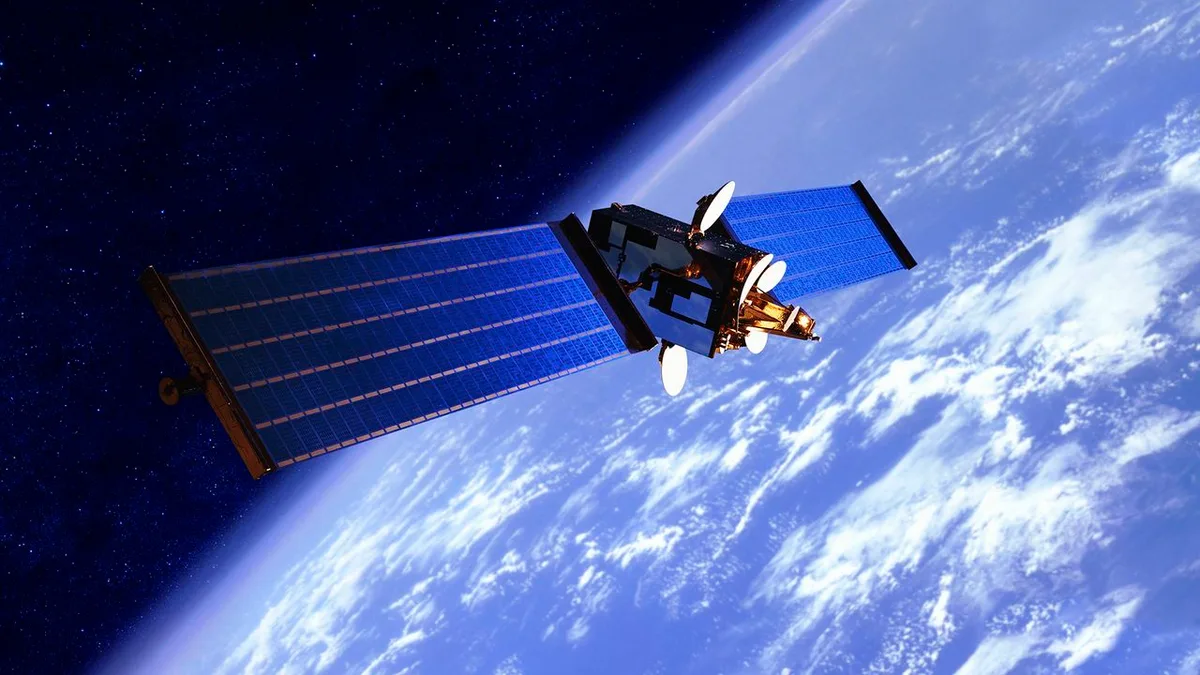
Some Rassvet satellites remain dangerously low after failing to raise their orbits One Rassvet spacecraft has already fallen from orbit and reentered Earth's atmosphere Two newer satellites have shown no observed orbital-raising maneuvers since July 2026 Moscow's push to field its own broadband satellite network is running into some technical and industrial issues, new reports have revealed.
Bureau 1440, the company developing the Rassvet-3 system, has sent up two batches of spacecraft in 2026, one in March and another in July.
According to reports, some of these systems did not climb smoothly toward their intended altitude; instead, they stalled, drifted, or fell back toward Earth.
A satellite already lost, others trending downward One craft from the first group, known as Rassvet-3 No.
4, never managed to raise its orbit after separating from its rocket.
That satellite, catalogued as NORAD 68363, eventually reentered the atmosphere on June 6, marking an outright loss for the young constellation.
Two more spacecraft from the second launch group, numbers 17 and 23, appear to be following a similar pattern of inactivity.
Tracking data shows neither satellite has performed any observed maneuver to climb higher since it separated from its carrier rocket on July 19.
Both currently sit at an average altitude near 290 kilometers, with their lowest points measured at roughly 277 kilometers above the surface.
Without engine activity to counter this decline, the pair could eventually drop low enough that reentry becomes essentially unavoidable.
However, there are some positives, as some of the satellites have successfully begun climbing, though none has reached the network's target altitude of about 800 kilometers.
Spacecraft from the earliest operational batch launched just over five months ago, and at the moment, they hover between 500 and 550 kilometers.
A few more units from the group are not yet at that intermediate range, which means that the company is yet to hit its long-term altitude plan.
The Bureau 1440 has now paused raising some Rassvet satellites higher toward their planned 800-kilometer orbit, and the company hasn't revealed the reason for the pause.
5News aggregated this summary from the outlet’s public feed. The full article, with all the context, is on www.techradar.com — the content belongs to TechRadar.