Serial rapist police officer passed vetting despite warnings, BBC reveals
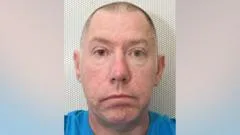
A police officer - who was later exposed as a violent serial rapist - passed vetting checks to join the force despite having two reports of criminal behaviour against women on his record, BBC Disclosure can reveal.
Alan Greer was investigated by police in 2002 and 2005 for making inappropriate phone calls to women, with one case resulting in a formal police caution.
He was accepted into Strathclyde Police in 2009, despite vetting staff being aware of his previous offending.
The revelation comes a month after Police Scotland told the BBC there had been no "missed opportunities over the years" to identify Greer's offending sooner.
In response to further questions from the BBC, Police Scotland moved to clarify its earlier comments.
It said it had "provided answers to questions relating to Alan Greer's offending during the course of his police career" and did not believe it had been answering questions about his police vetting record.
Greer had been a police officer for 17 years when he took his own life in May, just days after a police raid on his home as part of an investigation into offences dating back to 2012.
Last month, the BBC revealed he had committed a series of attempted murders or serious sexual assaults, including raping a vulnerable woman just hours after meeting her on duty.
It has since emerged that Greer had contact with hundreds of sex workers throughout his police career, and violently assaulted many of them.
It is also understood he took inappropriate photographs of female colleagues while working in police officer safety training.
Police Scotland has so far identified 15 of Greer's victims, amid fears the true number is far greater.
When the BBC revealed the story last month, Assistant Chief Constable Lynn Ratcliff was asked if there had been any opportunities to stop Greer's offending earlier.
She said: "At this point, and we will keep it under review, there is nothing to suggest that there have been any missed opportunities over the years."
When pressed if there were no missed red flags, she said "At this stage, we've got no evidence to suggest that is the case…"
5News aggregated this summary from the outlet’s public feed. The full article, with all the context, is on www.bbc.co.uk — the content belongs to BBC News UK.