Proton VPN on Linux gets a huge accessibility boost with 20 new languages
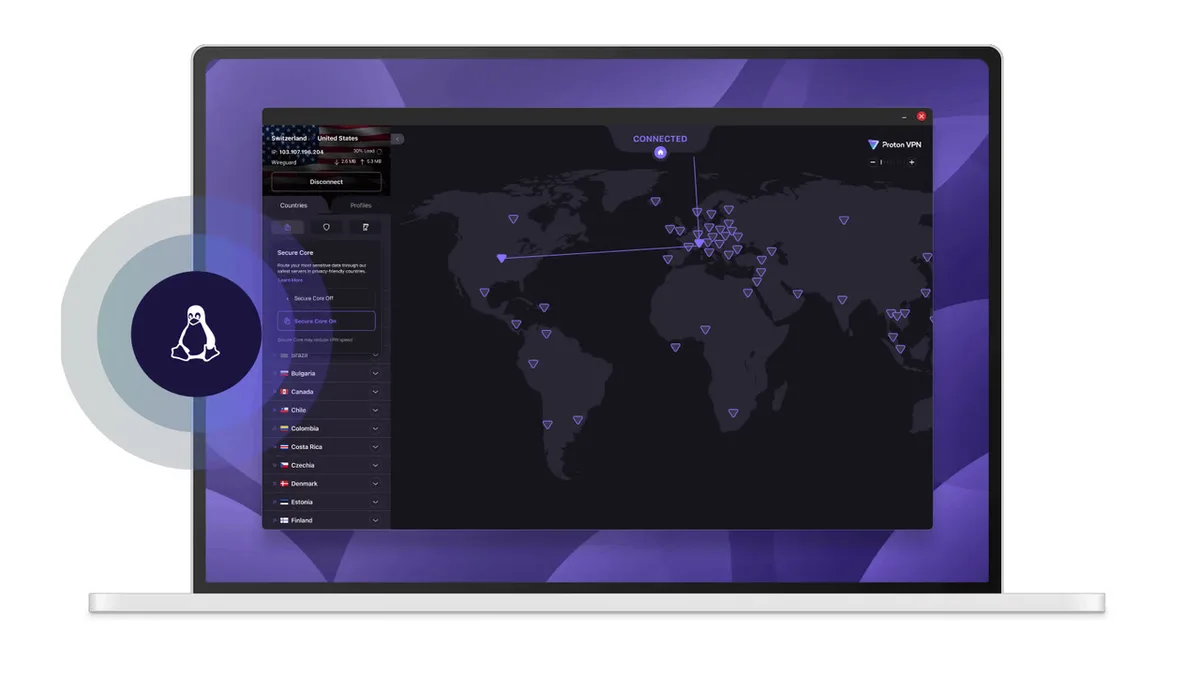
Proton VPN is bringing native localization support to its Linux app The app will automatically detect your operating system's language This update follows a string of recent major Linux upgrades Finding a top-tier security provider that actually prioritizes Linux users has historically been a challenge.
Fortunately, one of our favorite services just announced another massive quality-of-life improvement for the open-source operating system as Proton VPN adds 20 more languages.
Proton VPN, which currently sits very high on our list of the best VPN providers on the market, is officially adding localization support to its Linux application.
According to an announcement posted by the official Proton Team on Reddit , the update is slated to arrive in the next release, expected around mid-August.
This means you will finally be able to navigate the app's interface, settings, and server lists in your native tongue.
Even better, you won't have to fiddle with menus to get it working, as the software will automatically detect your language based on your current OS locale.
It is a welcome addition that makes the powerful privacy tool significantly more accessible for users around the globe who prefer Linux but may not speak English natively.
Proton VPN – best for privacy The popular privacy-first VPN continues to invest in delivering the best Linux VPN possible.
Before adding support for its Stealth protocol, the provider has been upgrading its apps with features like split tunneling, better stability across the board, and broader distro compatibility.
Subscriptions start from the equivalent of $2.99 per month and are all protected by a 30-day money-back guarantee.
View Deal Breaking down the new languages At launch, Proton VPN will support 20 languages right out of the box.
The initial lineup covers a massive chunk of the global population, including: German, French, Spanish, Spanish (Latin America), Italian, Dutch, Polish, Portuguese (Brazil), Russian, Korean, Japanese, Turkish, Catalan, Czech, Romanian, Chinese (Simplified), Chinese (Traditional), Belarusian, Greek, and Slovenian.
While that is already an impressive roster, the provider confirmed in its Reddit post that its localization team will "keep adding more over time." Because this is a brand-new implementation, the team is actively asking the community for feedback.
If you install the upcoming release and notice any visual bugs, you are encouraged to flag them.
5News aggregated this summary from the outlet’s public feed. The full article, with all the context, is on www.techradar.com — the content belongs to TechRadar.