EE invites mobile users to live life in the 5G Fast Lane – for a price
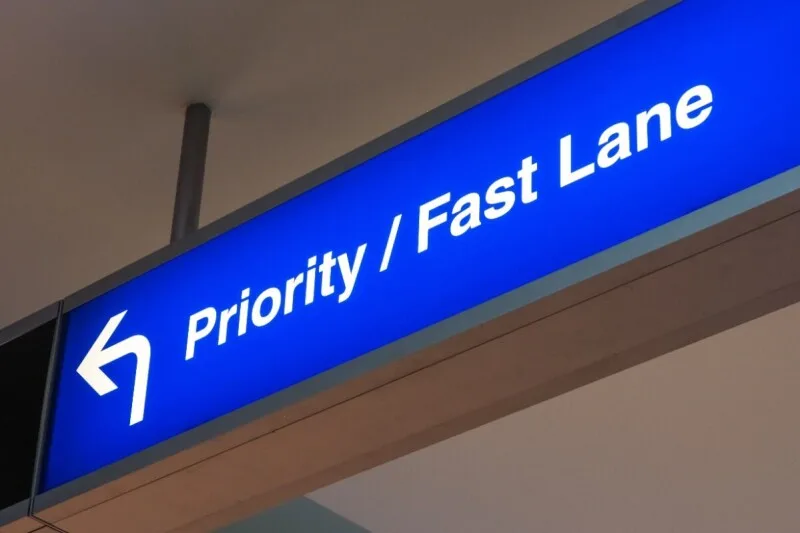
Mobile operator EE has launched Fast Lane, using 5G network slicing to prioritize subscribers' connections when its network is congested.
According to EE, BT Group's mobile network, Fast Lane anticipates congestion and seamlessly moves eligible connections onto a dedicated network slice.
EE says this should help Fast Lane users continue streaming or accessing the internet when nearby customers may be waiting.
Naturally, EE is offering the feature through its new premium pay-monthly plan, Full Works Plus, which costs £5 ($7) per month more than its existing Full Works plan.
It is available to consumers, while eligible small business customers can access it through an EE Full Works business plan.
"Powered by our advanced 5G+ network, Fast Lane gives our customers access to a dedicated 5G+ lane at the busiest times," said Claire Gillies, CEO of BT's Consumer Division.
"Whether they're live streaming a special moment from a sell-out gig or processing mobile payments and ticketing at a festival, Fast Lane helps keep customers connected even when thousands of people around them are trying to connect at the same time." Network slicing is enabled by 5G Standalone (5G SA), which the UK’s mobile operators have been rolling out as they upgrade their networks.
It is akin to network virtualization, allowing operators to create slices optimized for different uses, such as gaming or enhanced mobile broadband (higher data rates).
To add to the alphabet soup, EE markets its upgraded 5G SA network as 5G+.
BT demonstrated network slicing at its Adastral Park research facility a couple of years ago, as it readied the technology for commercial rollout.
However, Vodafone beat EE to market, launching a 5G+ Local Slicing service earlier this year.
This is a slightly different proposition, aimed at enterprise customers seeking tailored network performance across a defined site or local area, such as a sports stadium, office campus, or construction site.
Using network slicing to offer a "Fast Lane" was the subject of some controversy in the US a couple of years ago, when advocates of net neutrality claimed that such services would violate core net neutrality principles.
Shortly afterward, the Federal Communications Commission (FCC) ruled out fast lanes when it restored net neutrality rules – only for those rules to be overturned by a federal appeals court at the start of last year.
5News aggregated this summary from the outlet’s public feed. The full article, with all the context, is on www.theregister.com — the content belongs to The Register.