London Tube closes the 5G gap with streets above
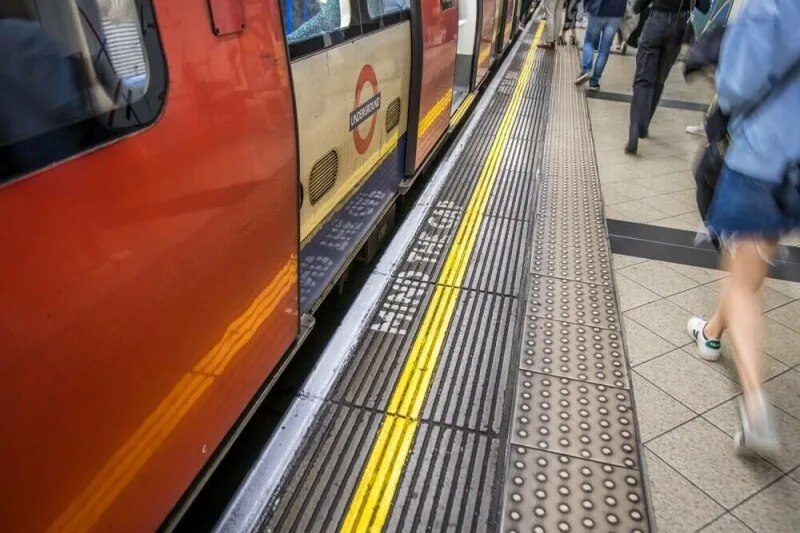
Mobile coverage on parts of London's Underground now rivals the streets above for 5G availability and signal strength, according to analysis by network intelligence biz Ookla.
Cellular support has been rolling out across the Tube since Mayor Sadiq Khan promised in 2021 to connect all stations and tunnels by the end of 2024.
That deadline was missed.
About 60 percent of below-ground stations now have coverage, with the entire network expected to be connected by the end of this year.
Where service is available, however, Ookla found that 5G availability and signal strength compare favorably with citywide above-ground figures, largely because the infrastructure was built to support 5G from the outset.
Ookla based its analysis on more than 50 million background signal scans collected across Greater London between March 25 and April 30.
It found that 19.8 percent of below-ground scans connected over 5G, compared with 16.5 percent across the city above ground.
Median 4G signal strength was -96 dBm on below-ground platforms, compared with -98 dBm at street level across the city.
Readings closer to zero indicate a stronger signal.
Ookla also detected 5G at the deepest platforms it measured.
Where available below ground, the median 5G signal was -93 dBm, stronger than the citywide above-ground median of -98 dBm.
But perhaps we shouldn't be too surprised, as a separate study last year found that London came bottom of the table in a test of 5G services across Europe, which looked at service availability, download and upload speeds, latency and streaming performance.
There is an important caveat.
The above-ground figures represent a London-wide average rather than a comparison with the streets directly over each station.
5News aggregated this summary from the outlet’s public feed. The full article, with all the context, is on www.theregister.com — the content belongs to The Register.