What is El Nino – and is climate change making the weather phenomenon worse?
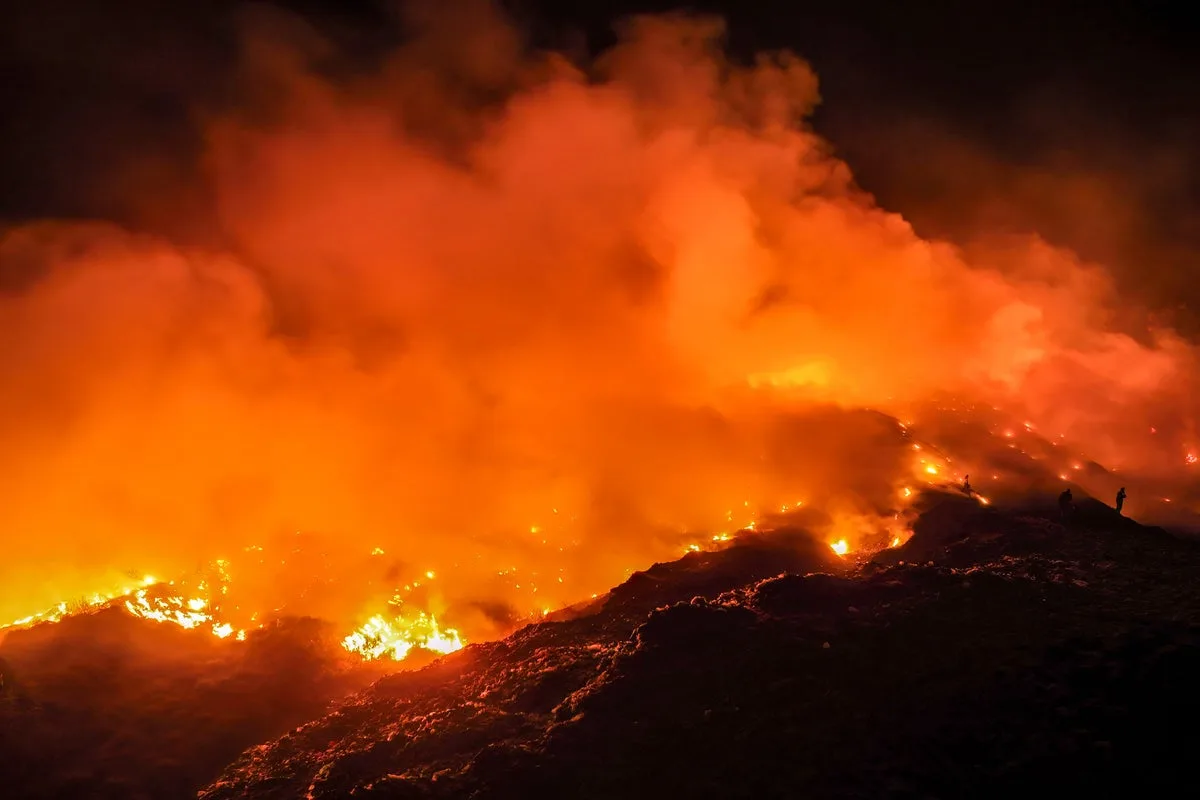
The term “El Nino” has dominated headlines in recent weeks as much of the world struggles to cope with extreme weather.
US meteorologists announced the return of the phenomenon earlier this summer, warning it could contribute to record global temperatures and the hottest year ever recorded in 2027 .
Here the Independent examines what El Nino is, how it interacts with human-driven climate change , and how it is currently affecting weather conditions across the UK.
El Nino – which means “little boy” in Spanish – is widely used to describe the warming of sea surface temperatures in the tropical Pacific Ocean that occurs every few years.
The phenomenon typically takes place every two to seven years and lasts several months.
It disrupts weather patterns worldwide and pushes up global temperatures.
The name comes from South American fishermen centuries ago, who noticed warmer-than-normal coastal conditions periodically around Christmas time and nicknamed it “El Nino” in reference to the birth of Jesus.
Scientists discovered an opposite weather pattern to El Nino in the 1980s and named it La Nina – meaning “little girl” in Spanish.
This natural climate pattern sees surface water in the tropical Pacific Ocean become unusually cool and can last for up to three years.
US meteorologists from the National Oceanic and Atmospheric Administration (NOAA) announced the beginning of El Nino in June, saying it could last until spring 2027.
The previous El Nino event lasted around 12 months from June 2023 and May 2024.
It followed the world’s most recent La Nina event, which lasted roughly 31 months from late 2020 to early 2023.
That part of the Pacific where El Nino happens can shift weather patterns across the globe and cause a range of impacts depending on its strength.
These include the risk of heavy rainfall, storms, floods and droughts in certain locations around the world, as well as soaring temperatures.
5News aggregated this summary from the outlet’s public feed. The full article, with all the context, is on www.independent.co.uk — the content belongs to The Independent UK News.