My covert SAS life: I was hiding in a hedge as an Irish farmer covered me in petrol
Want to bookmark your favourite articles and stories to read or reference later? Start your Independent Membership today.
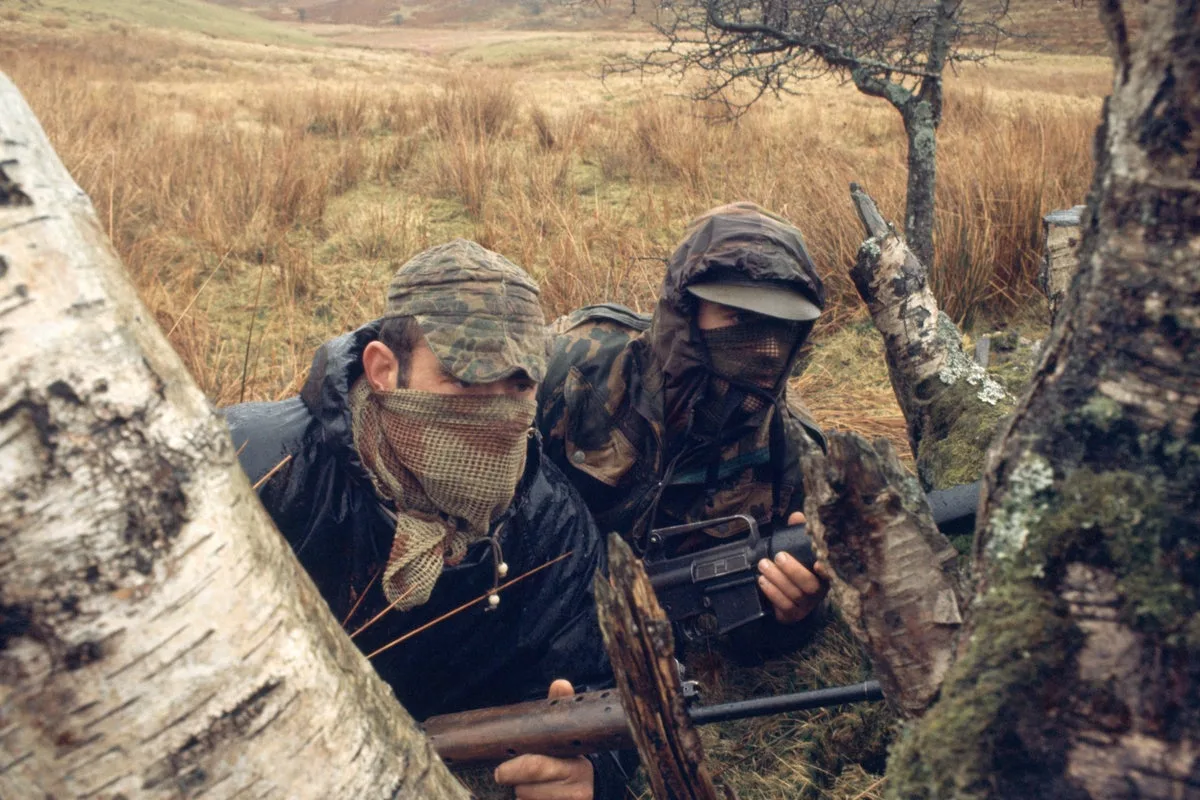
T he two SAS soldiers had been peed on before. But petrol being poured onto the hedge they were hiding in and now running down their faces was a new and dangerous low .
For days they had barely moved. Now the farmer they had been secretly watching had an inkling that someone was watching. He was systematically soaking the vegetation around them with fuel.
John, then a young SAS soldier serving in South Armagh, remembers sitting absolutely still as the liquid soaked through his camouflage uniform.
“We're sitting there and his petrol was running down our faces,” he recalls. “It's all over us and we're thinking, this is going to get quite ugly.”
Listen to the full third episode of SAS: The Shadow War here, or become an Independent Member for exclusive access to all eight episodes:
For much of the SAS's secret war in Northern Ireland , this was what soldiering looked like. Not black-clad men abseiling through windows or dramatic gun battles, but two exhausted men, buried inside a wet hedge, staring through binoculars at a farmhouse and trying desperately not to be discovered.
They called it an OP — an observation post. The job was simple to describe, difficult to do.
“You'd have a place that you were watching,” John says. In South Armagh, it was often a farm. The soldiers recorded who arrived, who left, which vehicles appeared and who spoke to whom.
They were building up profiles of suspects, looking for “patterns of life” that might indicate militant activity - and sources of finance for violent groups like the Irish Republican Army .
Telling the inside story of a routine operation for the special forces on SAS: The Shadow War , an eight-part audio podcast series from Aurra and Independent Studios - John reveals the everyday reality of what serving in Northern Ireland is like.
Their equipment was basic. Binoculars, notebook and radio. The radio was barely used. A couple of clicks at predetermined intervals, “proof of life”, to the operations room. Otherwise - silence.
OPs could take days and stretch to weeks of sleep deprivation and indignity. Discovery, known as “compromise” could be fatal - or worse.
Winter brought cold, mud and water. Sleep came in fragments. Men got trench foot.
5News aggregated this summary from the outlet’s public feed. The full article, with all the context, is on www.independent.co.uk — the content belongs to The Independent UK News.