Europe's right-to-repair rules are broken, not beaten
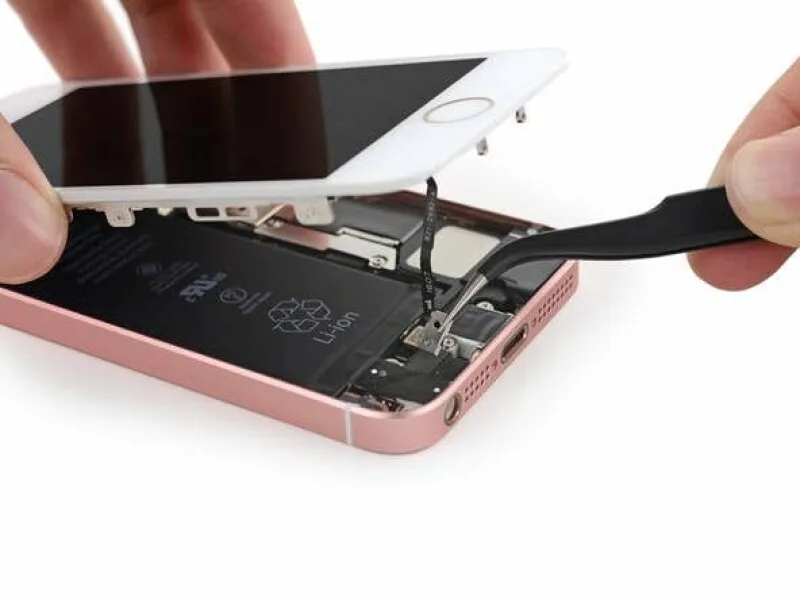
Consumerism? Squint at it in the right light, and it looks a lot like communism.
Certainly, that's how parts of the American political establishment seem to view Europe, the world's regulatory superpower.
All those rules denying the God-given rights of free people to have their data protected, their privacy secured, and their phones recharged by USB-C.
You know what the C in USB-C actually stands for? Communism! Wake up, sheeple! Having qualified itself for two hours on Joe Rogan, this column must reluctantly disqualify itself by introducing some actual facts.
One of the EU's most recent regulatory moves to enforce the right to repair has been a thudding failure.
It aimed to force mobile device makers to register full technical documentation and spare parts through online portals, only to be stymied by the subtle yet powerful strategy, well known to married couples, of saying "Yes, dear," and then doing whatever you want.
After a year on the books, the registry has about 2,300 entries but only about 18 percent are anywhere near compliant.
The rest are full of gaps, misdirections, or useless data.
Deliciously, the manufacturers doing best from this attempt to foist socialism on the world are from its remaining nominally Marxist-Leninist superpower: the People's Republic of China.
Don't panic.
After all, according to the Black Duck 2026 Open Source Security and Risk Analysis Report, 68 percent of audited commercial codebases contain open source license conflicts that could create legal exposure or compliance failures.
Missing attribution, incompatible licenses, and unmet copyleft obligations can all amount to an abuse of the spirit and letter of open source.
Which it is.
It also doesn't matter.
5News aggregated this summary from the outlet’s public feed. The full article, with all the context, is on www.theregister.com — the content belongs to The Register.