South Africans join Thais and Americans in rejecting data centers as clashes over water and power resources mount
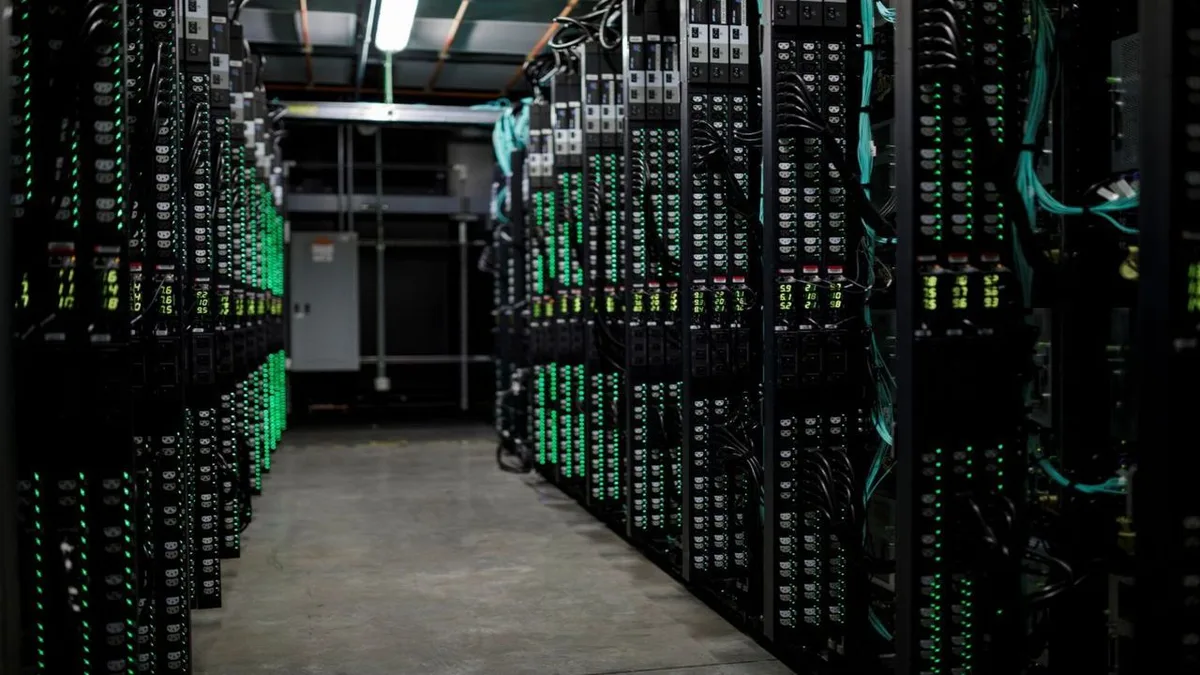
South African groups demand reviews before approving more data center projects Cape Town's water crisis memories fuel opposition to new facilities Equinix's planned facility raises concerns about electricity consumption levels Civil rights organizations across South Africa are pushing for a pause on new data center construction while resource concerns get investigated.
They argue scarce water, land and electricity supplies need proper scrutiny before any further approvals move forward.
The push places South Africa alongside Thailand and the United States , where similar community pushback has emerged in recent months.
Growing scrutiny around digital infrastructure expansion According to South African President Cyril Ramaphosa, South Africa hosts 70% of Africa's total data center capacity, and he believes this dominance is an economic opportunity.
Major American technology firms including Amazon, Microsoft and Equinix have steadily expanded their digital infrastructure footprint within the country.
The South African Human Rights Commission says it received more than 250 submissions after inviting public input back in May 2026.
South Africans are mostly concerned about the transparency with which the government handles the entire process.
"A key issue emerging from the process is precisely the availability, consistency and transparency of information relating to matters such as electricity and water demand, land use, infrastructure requirements, environmental impacts and impacts on surrounding communities," said Dr.
Eileen Carter, who leads the commission's preliminary process.
One especially contested project involves an Equinix hyperscale facility approved for construction in Cape Town, a city with a painful memory of near-catastrophic water shortages.
Cape Town narrowly avoided what residents called "Day Zero" back in 2018, when officials predicted municipal taps would run completely dry.
That facility alone is estimated to require roughly 160 megawatts of electricity, reviving old anxieties tied to the nation's rolling blackouts.
Investors and operators push back on pause calls Eskom, the country's national power utility, reported a surplus during this year's winter peak-demand season despite past supply troubles.
Still, civil society groups remain wary that this surplus capacity could simply get redirected toward powering new data facilities instead.
5News aggregated this summary from the outlet’s public feed. The full article, with all the context, is on www.techradar.com — the content belongs to TechRadar.