'Nine out of ten people prefer our version of the internet over Google's' — Proton Founder Andy Yen on age verification, Big Tech, AI, and the future of digital privacy
Nestled among the unusually snow-free Swiss Alps, Proton’s Geneva HQ shines in front of me on a glorious, sunny October day.
I’m here alongside journalists from the UK, France, and Germany to learn more about how the privacy-first company is creating an alternative to Google — its number one rival.
After a quick tour of the office, we make a pit-stop in the kitchen to grab a coffee before starting a long day of presentations.
Some Proton staff are finishing the generous daily breakfast offered by the company, while others are perusing the lunch menu.
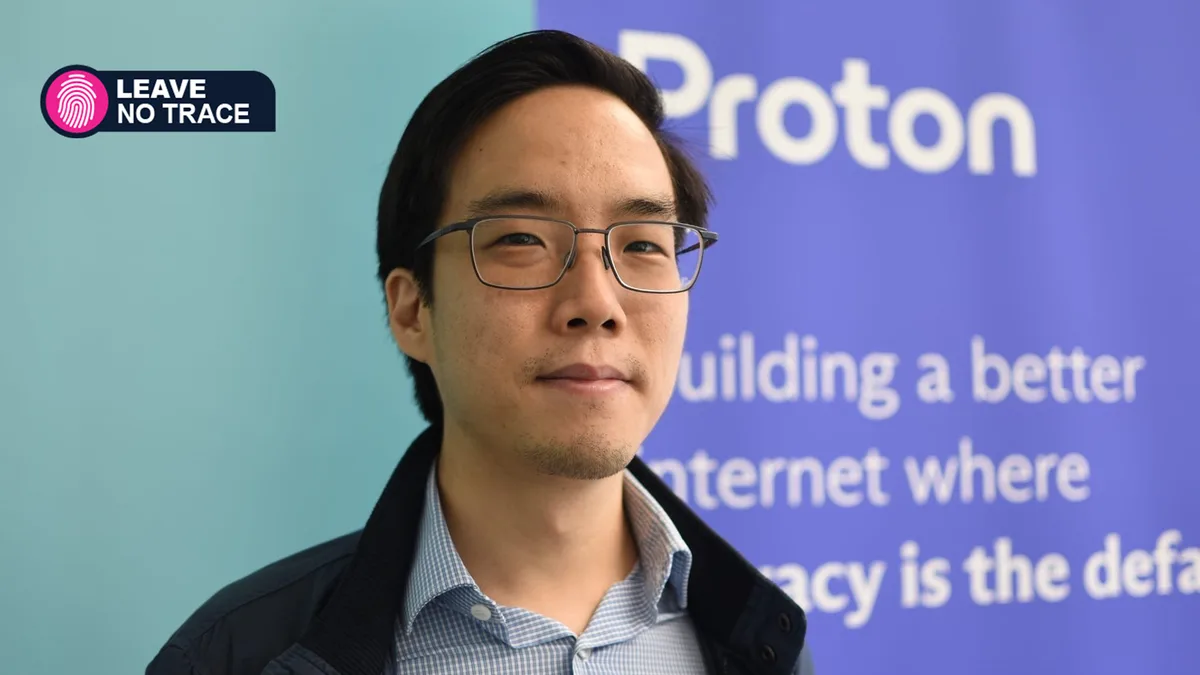
Proton’s Founder and CEO, Andy Yen, is the first to speak, kicking off by telling us how everything started back in May 2014 with a simple idea: building an encrypted email service.
Proton VPN came next.
Now, twelve years later, the company offers 11 different products, including its privacy-first AI chatbot, Lumo .
As Yen speaks, it becomes clear that Proton is no longer just focused on individual tools — it is trying to build a complete alternative to Google, OpenAI, and Silicon Valley’s model of surveillance capitalism.
But can a privacy-first company really take on Big Tech across AI, web browsers, and state surveillance without stretching itself too thin? Right before he leaves for his next meeting, I sit down with Yen to talk AI ethics, age verification, Swiss wiretapping laws, and the future of digital freedom.
The following interview has been edited for length and clarity.
When did you realize that Proton Mail was needed? I think Snowden put the spotlight on what was going on with government surveillance, but it was already obvious back then to me that there was a bigger issue.
Back then, I really didn't want to create accounts — I just didn't want to because I knew what they were doing with the data.
There was no alternative.
If you look back in those days, there was no alternative.
5News aggregated this summary from the outlet’s public feed. The full article, with all the context, is on www.techradar.com — the content belongs to TechRadar.