Samsung may finally be putting all of its Harman, AKG, JBL and B&W juice in a blender for its first headphones in 10 years
The rumored name for Samsung's first over-ears in a decade was spotted They may be called Galaxy Studio, according to a leak and a trademark And also, they'll give Samsung's various audio brands something to do For almost a decade, Samsung has been the proud owner of a who's-who of legacy audio brands, and it finally looks like it's ready to do something with them.
A potential AirPods Max 2 rival, possibly called the Galaxy Studio, is rumored to be on the way.
That Samsung has some over-ears in the works has been leaked before, but people are finally taking the rumors seriously now because of the mention of an actual name.
These fresh leads stem from a leaker on Twitter called @evowizz , who also successfully leaked the Pixel 11 Pro Fold .
It is they who gave us the Galaxy Studio moniker.
Now, the title 'Studio' might suggest professional uses for these headphones.
Maybe they're made for music mixing and/or critical listening? This is Samsung though, a tech giant that typically sticks to the consumer product realm to support its ecosystem, so perhaps the name was simply chosen because it makes them sound premium.
In fact, Samsung trademarked this name a whole decade ago, and re-filed it in mid-September.
So the Galaxy Studio is sounding increasingly likely.
And with the brand's recent push into new audio form factors, including the Galaxy Buds On , it makes the new cans seem increasingly likely.
There's no indication of price, feature set or release date just yet.
Some fans are hoping for a 2027 release date, so maybe they'll come alongside the Galaxy S27, Galaxy Z Fold 9s or another release that year.
But it's impossible to say for sure.
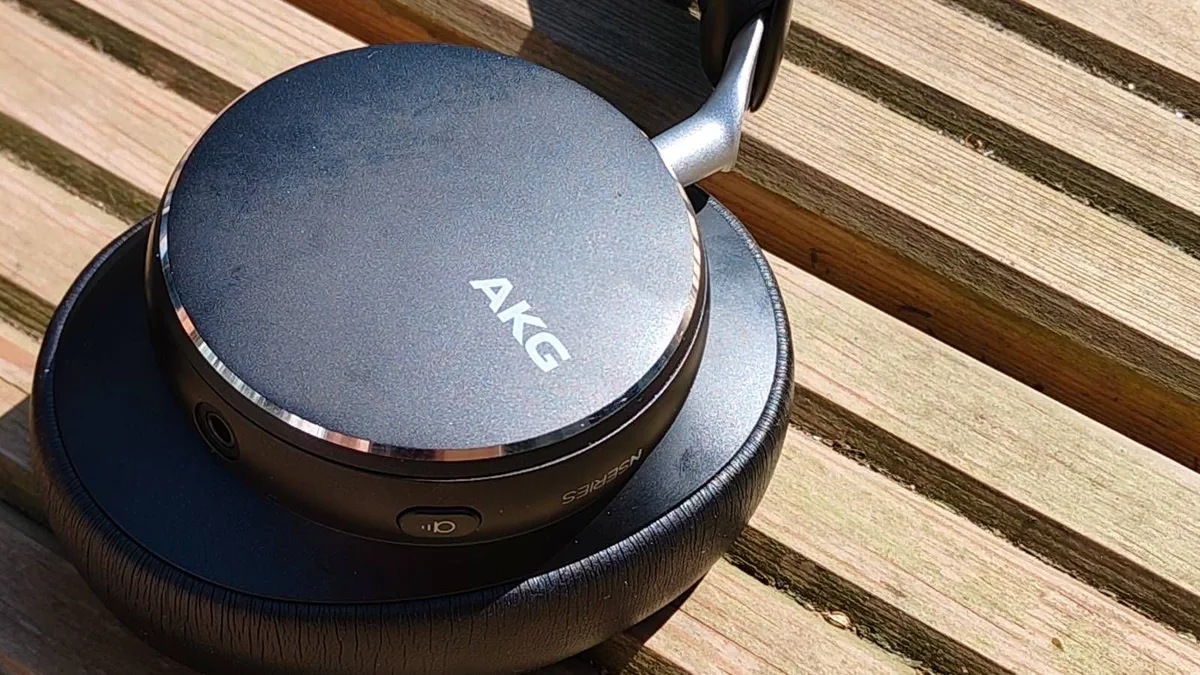
It's an audio party and everyone's invited (Image credit: Future) Samsung bought Harman International in November 2016, which means the likes of Harman Kardon, JBL and AKG are all in its trophy cabinet.
5News aggregated this summary from the outlet’s public feed. The full article, with all the context, is on www.techradar.com — the content belongs to TechRadar.