Iran-US war latest: Tehran president says it is time to end war ‘in position of strength’ after Trump threatens ‘Economic D-Day’
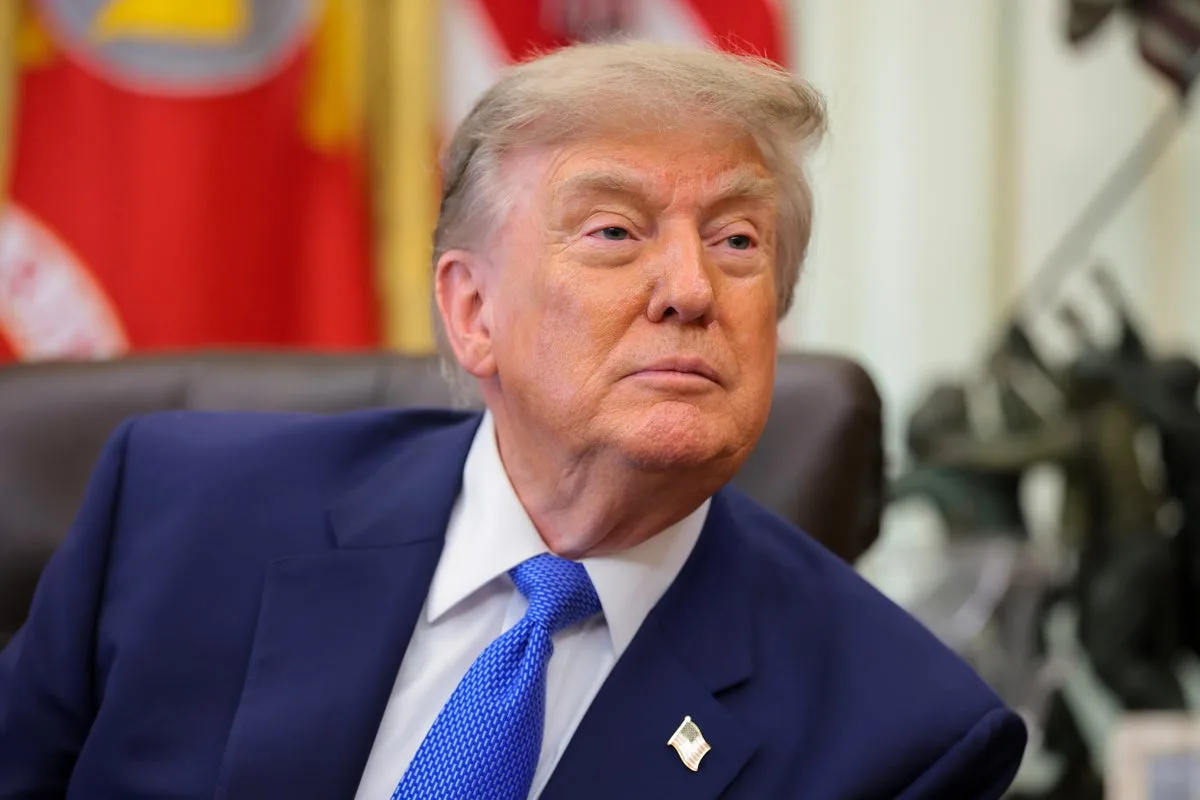
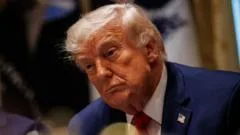
Iran has accused US president Donald Trump of threatening "economic terrorism" after the US treasury said it would introduce the “toughest sanctions in history" against Tehran .
Trump has promised to wage "Economic Warfare and Isolation on an unprecedented scale”, suggesting the US will extend sanctions to allies that have helped mediate peace talks.
"ANY country that allows its financial institutions, businesses, airports, or government entities to provide any type of lifeline to Iran will itself face TREMENDOUS Economic Consequences," Trump wrote.
US treasury secretary Scott Bessent also made a similar warning, calling on allies to pick a side.
"We are going to collapse this regime. It is time for our allies and the rest of the world to make a decision," Bessent told broadcaster CNBC. "You are either with us or against us," he said.
Foreign minister Abbas Araghchi said that further sanctions would only bring “further defeat” to the US and said Trump was seeking to create a “diversion from America’s own crisis: unprecedented debt and surging interest costs”.
Meanwhile, over 750 members of the US military have been injured since the Iran war began, US officials said. More than 50 soldiers were added to the Pentagon’s casualty database on Wednesday, bringing the total figures to 757 injured and 18 killed.
US Treasury Secretary Scott Bessent has urged China to “get with the programme” as Washington ramps up economic pressure on Iran, warning Beijing that it relies heavily on Gulf energy.
China buys more than 80 per cent of Iran's shipped oil, according to 2025 data from analytics firm Kpler, but engaging in further economic warfare with China, a major exporter to the US including vital rare-earth minerals, risks retaliation against Washington.
When asked if the United States could target China for doing business with Iran, Bessent said many conversations were best to have in private.
"Keep in mind that the Chinese get 50% (of their) energy... from the Gulf. So it would do them a big service to get with the program," he said.
China's embassy in Washington said "sanctions and pressure do not help resolve the problem."
"China calls on the relevant parties to take responsible actions and resolve the issue through political and diplomatic means," according to an embassy spokesperson.
Ship tracking data by Kpler reveals that oil flows through the Strait of Hormuz had nearly tripled before a 60-day ceasefire agreement expired.
5News aggregated this summary from the outlet’s public feed. The full article, with all the context, is on www.independent.co.uk — the content belongs to The Independent World.