China says new AI missile system can track US F-35s with 90% accuracy
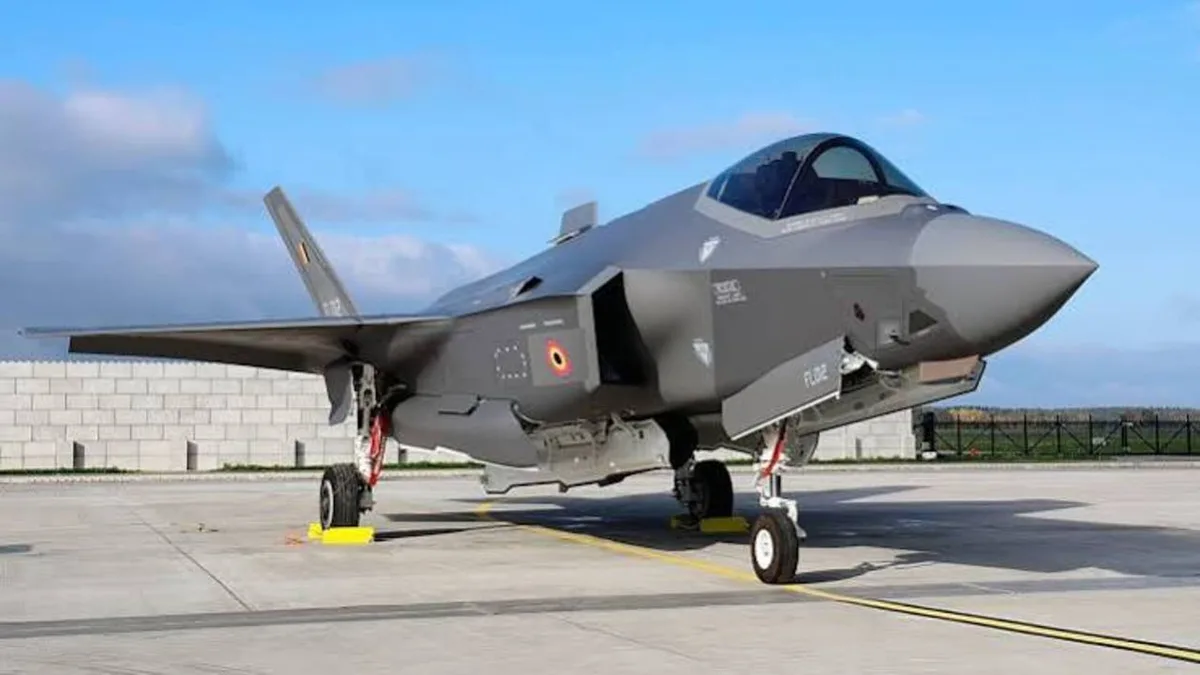
Chinese researchers built an AI targeting infrared traces from F-22 and F-35 engines Flare decoys reportedly fail to fool this heat-based recognition model Lab tests show recognition accuracy above 90 percent for simulated targets Chinese researchers have claimed a lightweight AI system can identify heat signatures resembling those of F-22 and F-35 stealth fighters.
The F-22 and F-35 are designed to make enemy detection and tracking more difficult, particularly by reducing their visibility to radar and other sensors.
That makes any technology capable of recognizing their remaining infrared signatures potentially important for detecting aircraft built around stealth.
AI recognition focuses on aircraft heat Unlike radar-based detection, infrared systems look for heat produced by an aircraft's engines, exhaust, and heated surfaces during flight.
The researchers claim that AI can analyze those patterns and distinguish simulated F-22 and F-35 signatures from other airborne objects.
Pilots often use flares to confuse conventional heat-seeking sensors during an engagement.
However, the researchers say that aircraft-generated heat differs from flare emissions, giving an AI system another basis for separating an aircraft from decoys.
The researchers tested their recognition model using simulated targets representing the thermal characteristics associated with F-22 and F-35 aircraft.
According to the study's lead author, the approach is intended to combine rapid processing with sufficient recognition capability for missile applications.
“Lightweight recognition models could become widely used in future air-to-air missiles because they can provide high-speed recognition while maintaining strong identification capabilities,” said An Jiangshan, first author of the study.
Laboratory testing reportedly produced recognition accuracy exceeding 90%, although operational performance against real aircraft remains unverified.
That distinction matters because real aircraft generate changing thermal patterns under different speeds, altitudes, maneuvering conditions, and environmental circumstances.
The researchers also describe the system as lightweight, suggesting that its computing requirements could be suitable for missile-mounted hardware with limited space and processing capacity.
Limits remain around real-world performance Stealth aircraft are designed primarily to reduce radar visibility, but infrared emissions remain an important consideration for infrared-guided weapons.
5News aggregated this summary from the outlet’s public feed. The full article, with all the context, is on www.techradar.com — the content belongs to TechRadar.