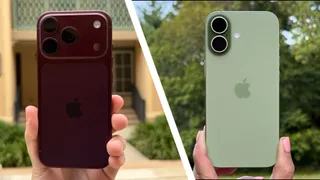
Honor’s Magic 8 Pro and 600 Pro have the hardware to beat Apple — so why do they look like iPhones?
Honor is no stranger to smartphone innovations, with its clear embrace of silicon-carbon battery technology, high durability ratings, and even trying out some wild concepts with the Honor Robot Phone .
I recently tried the flagship Honor Magic 8 Pro and the mid-range Honor 600 Pro , and their spec sheets alone were immediately impressive: large silicon-carbon batteries with fast charging, ambitious camera hardware and IP68/IP69K durability ratings.
Importantly, both handsets deliver on the promise those specs make on paper.
Their 7,100mAh and 7,000mAh batteries lasted more than two days under normal use, longer than any phone I’ve previously tested.
The cameras were also impressive, particularly the Magic8 Pro’s 200MP 3.7x telephoto.
Each phone’s chassis felt premium despite using plastic for the back, and both held up well during an informal tap-water test (although I admit that it’s hardly a controlled durability experiment). (Image credit: Future | Nico Arboleda) Performance is strong, too, with Qualcomm Snapdragon 8 Elite chipsets (Gen 5 for the Magic 8 Pro and last year’s Gen 4 for the 600 Pro) powering both phones.
Both handled multitasking and demanding games comfortably.
More importantly, both handsets are competitively priced, with the base 512GB Magic 8 Pro retailing for £1,099.99/AU$1,999 and the 600 Pro starting at £899.99/AU$1,499 for the same storage option (neither phone is officially available in the US).
On paper, both phones should have won me over.
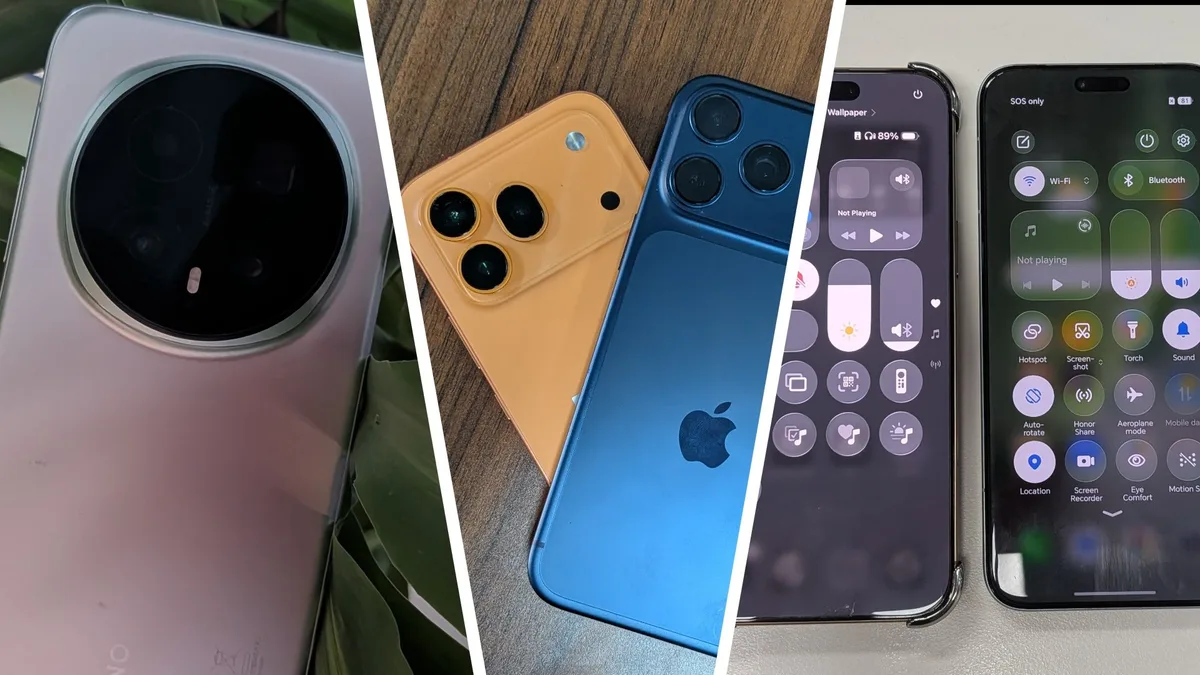
In practice, their strengths are overshadowed by how closely Honor borrows from Apple — particularly in MagicOS and the Honor 600 Pro’s camera design.
Homage or replica? At first glance, it’s clear that MagicOS tries to replicate the iOS experience on Android.
The quick-settings panel has a similar layout and design style to the iOS Control Center.
System transitions, app opening animations and even scrolling felt like I was using an iPhone.
MagicOS also has the Android app drawer disabled by default, with all apps displayed across multiple home screen pages, similar to how iOS organized apps before introducing the App Library in iOS 14.
5News aggregated this summary from the outlet’s public feed. The full article, with all the context, is on www.techradar.com — the content belongs to TechRadar.