Ubiquiti sued by Ukrainian families over claims its tech powered Russian battlefield drones
Ukrainian civilians and bereaved families sued Ubiquiti in Manhattan federal court Lawsuit alleges the communications backbone offered by Ubiquiti's long-range wireless bridges was a key part of Russia's drone campaign against civilians Ubiquiti has not responded directly or commented on the matter to date and remains uncharged by any US or EU authority at the moment Ukrainian civilians and relatives of people killed in Russian drone attacks have sued American networking manufacturer Ubiquiti Inc. in the US District Court for the Southern District of New York.
The lawsuit alleges that the company's long-range wireless equipment became the backbone of the command network behind Russia's drone campaign against civilians in occupied and front-line Ukraine.
Ubiquiti has not filed a response or commented publicly; it has also not been charged by any US or EU authority with a sanctions or export-control violation related to Ukraine at the time of writing.
Shifting the onus of vetting customers to a US company? The Russia-Ukraine war has lasted over four years, and it has reshaped the modern battlefield through asymmetric approaches from both sides.
Militaries worldwide are watching as they learn what modern warfare could look like in the near future between two neighboring countries.
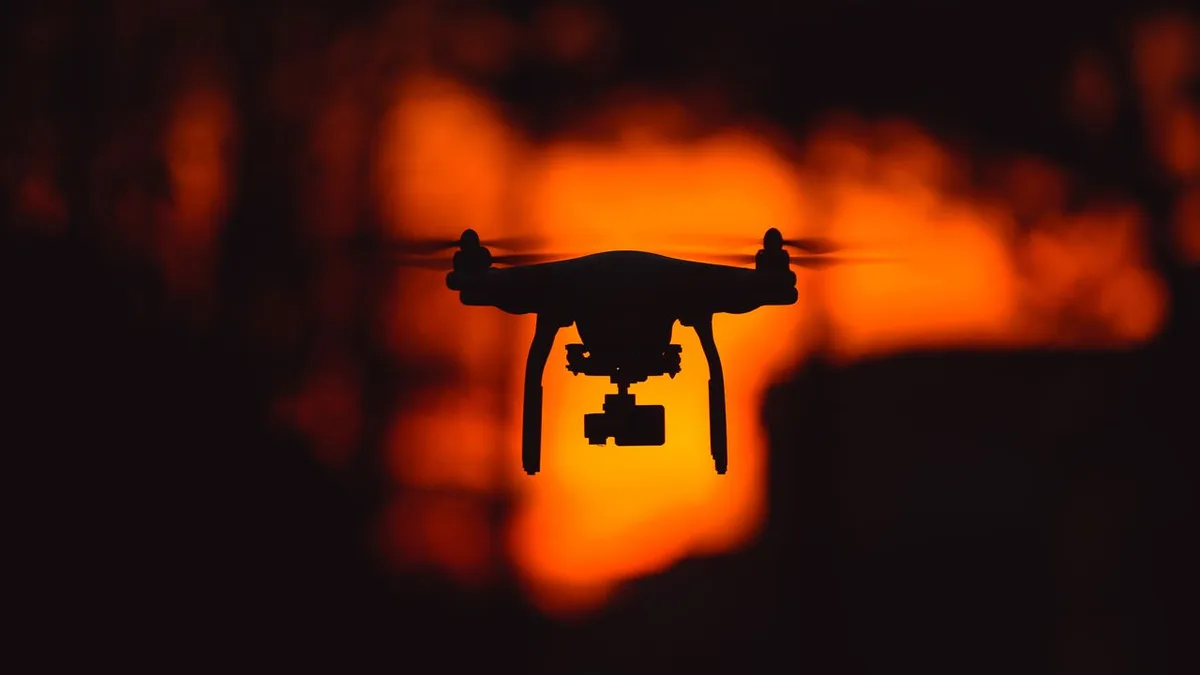
Drones, however, are a key part of the battlefield, and while both sides employ jammers and countermeasures to said jammers, including fiber-optic drones , they remain among the most destructive devices in the conflict.
Wireless drones, however, still rule the roost, especially for deeper strikes behind enemy lines, which is why an NYSE-listed company (ticker UI) now finds itself mired in an unexpected lawsuit over its radio bridge antennas, which are also subject to US export restrictions on Russia.
Ubiquiti makes long-range wireless bridges: paired antennas that carry a network link between two distant points, widely used to deliver internet access where cable does not reach.
The complainants allege that devices circumventing export controls managed to keep reaching Russian forces through intermediary supply chains, and that they now link reconnaissance units, drone operators, strike units, and commanders across roughly 100 kilometers of battlefield network.
They also alleged Ubiquiti could have cut the pipeline off through geofencing, by terminating distributors tied to sanctions-evasion routes, or by building a remote-disable feature into its firmware, and that it chose not to take any of these initiatives.
5News aggregated this summary from the outlet’s public feed. The full article, with all the context, is on www.techradar.com — the content belongs to TechRadar.